ANKLE INJURIES
ANKLE SPRAIN & SYNDESMOSIS INJURY REHABILITATION AT IPERFORM IN ADELAIDE’S NORTH
Ankle injuries are one of the most common lower limb injuries in sport. A sudden change of direction, an awkward landing from a jump, or contact with another player can quickly overload the ligaments around the ankle. Though, an ankle injury doesn’t always happen during high-level sport. It can occur during a simple misstep, rolling your foot on uneven ground, or during recreational activities.
Some ankle injuries are straightforward lateral ankle sprains (on the outside of your foot). Others involve the syndesmosis (high ankle sprain) or the deltoid ligament on the inside of the ankle.
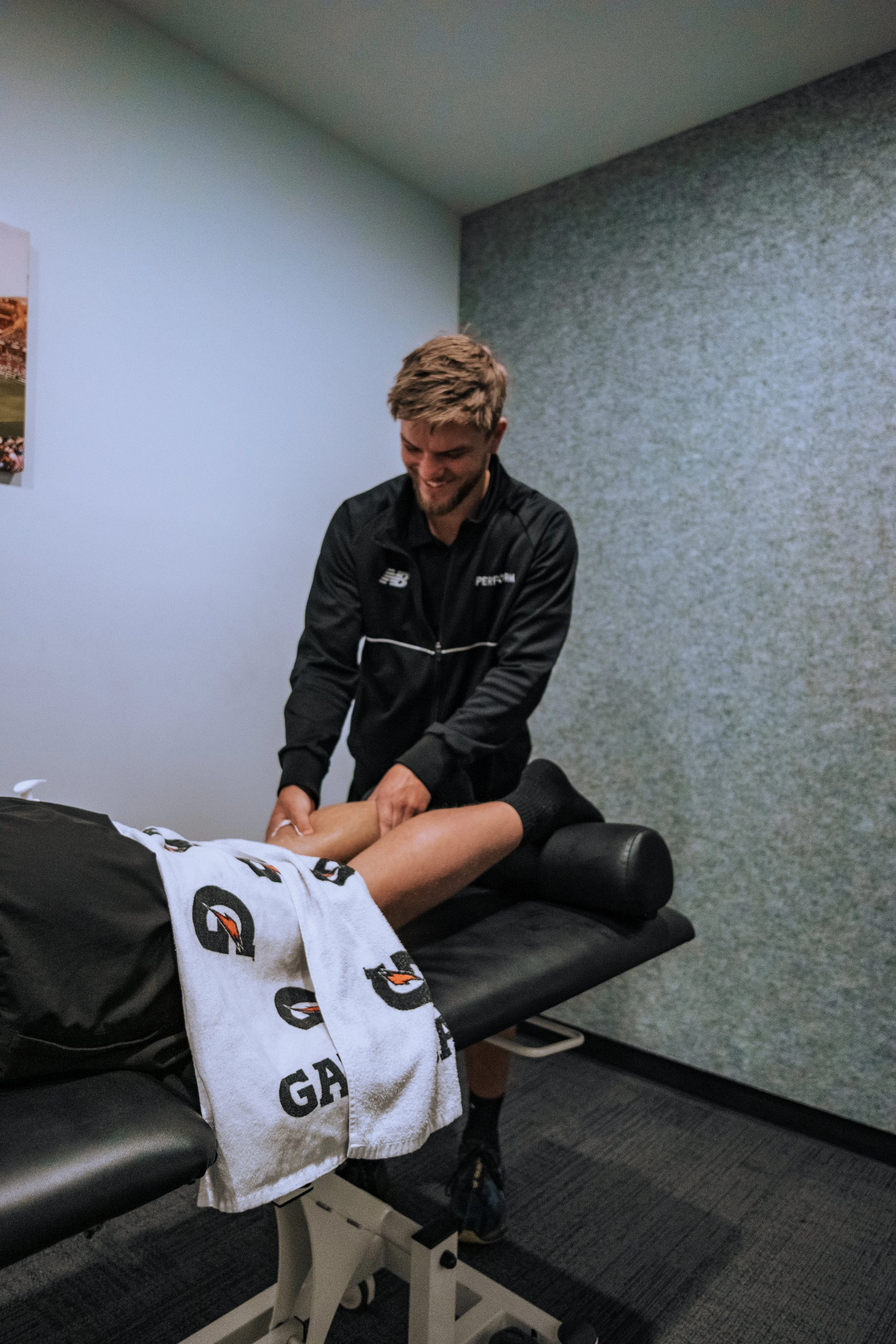
Correct identification of the injured structures is important to starting a suitable rehabilitation plan. At iPerform in Adelaide’s north, our skilled physiotherapists guide you from acute injury through to full performance with a structured, criteria-based approach.
Lateral Ankle Sprain
This is the most common ankle injury. It usually occurs when the foot rolls inward (inversion), overstretching the ligaments on the outside of the ankle - most commonly the anterior talofibular ligament (ATFL).
Syndesmosis Injury (High Ankle Sprain)
A syndesmosis injury affects the ligaments connecting the leg bones (tibia and fibula) just above the ankle joint.
Symptoms may include:
Pain above the ankle joint
Pain with pushing off
Difficulty weight bearing
Difficulty with running, jumping, or hopping
Longer recovery compared to typical ankle sprains
Syndesmosis injuries often require a longer protection phase in early rehabilitation and occasionally surgical stabilisation depending on severity.
Deltoid Ligament Injury (Medial Ankle Sprain)
The deltoid ligament is the strong ligament complex on the inside (medial side) of the ankle.
Deltoid injuries are less common than lateral sprains but can occur with:
Eversion (foot rolling outward)
High-force twisting injuries
Medial ligament injuries sometimes occur alongside other ankle injuries, making thorough assessment important.
UNDERSTANDING ANKLE INJURIES WE TREAT AT IPERFORM
ANKLE REHAB AT IPERFORM
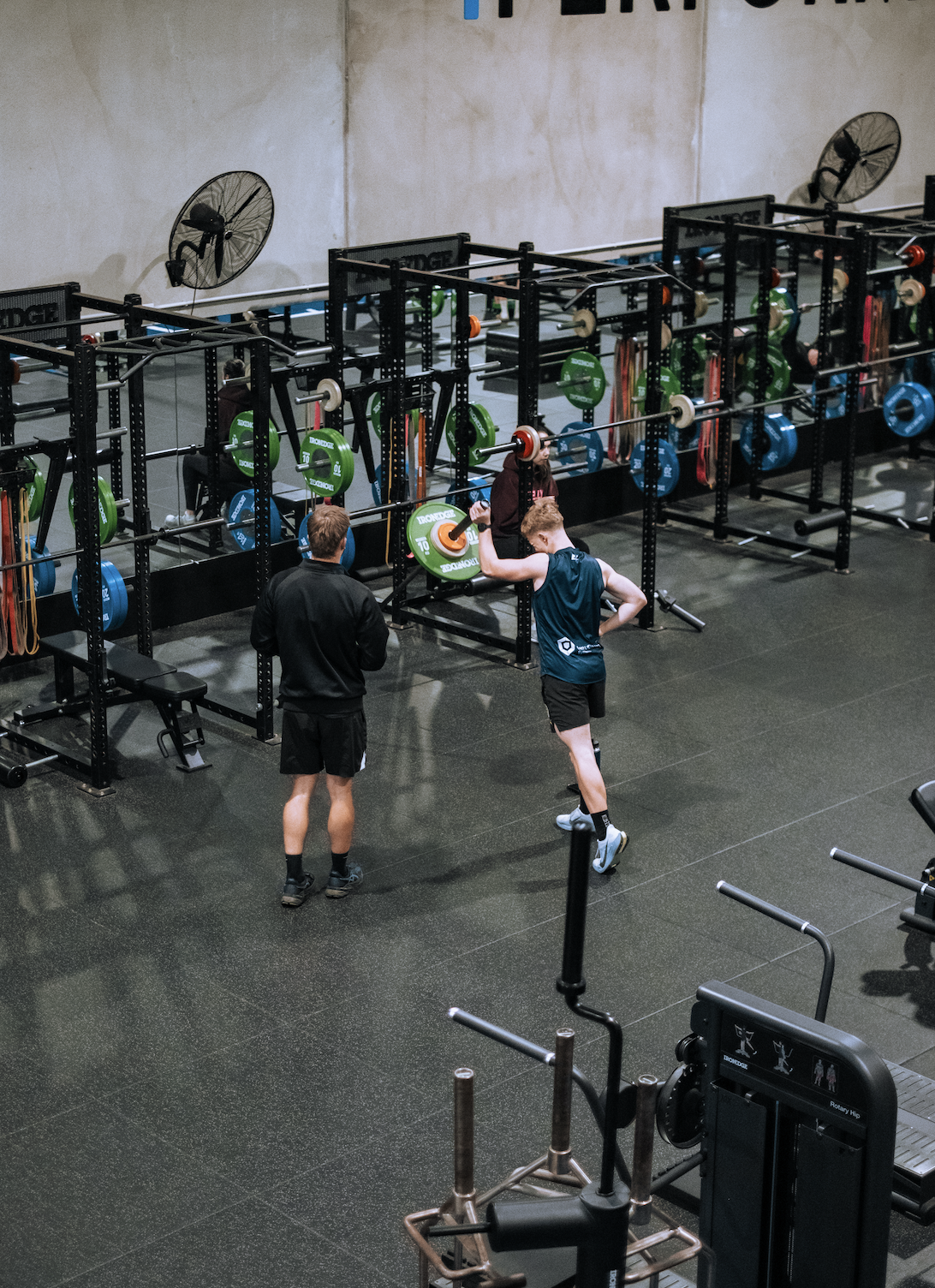
Ankle rehabilitation is designed to rebuild strength, stability, and confidence so you can return to sport and activity at your best.
Early Phase
Manage swelling and pain
Restore ankle mobility
Normalise walking
Maintain surrounding strength
Strength & Control Training
Rebuild calf strength
Improve single-leg balance
Restore ankle stability
Address whole lower limb strength
Return to Running & Sport
Gradual jogging progressions
Jumping and landing drills
Sport-specific conditioning
Progression is criteria-based - guided by strength, control, and functional testing.
Our team supports you at every stage, offering standard physiotherapy consultations or our integrated Sports Rehab Program to provide you with a rehabilitation option that best suit your needs.
If you’re unsure what you need, we recommend booking your first physiotherapy session to discuss it with one of our experienced physiotherapists. You can also call us on 8151 1347 or message us here.
WHY CHOOSE IPERFORM FOR ANKLE REHAB?
At iPerform in Adelaide’s north, we provide:
Individualised rehabilitation plans
Clear return-to-running and return-to-sport planning
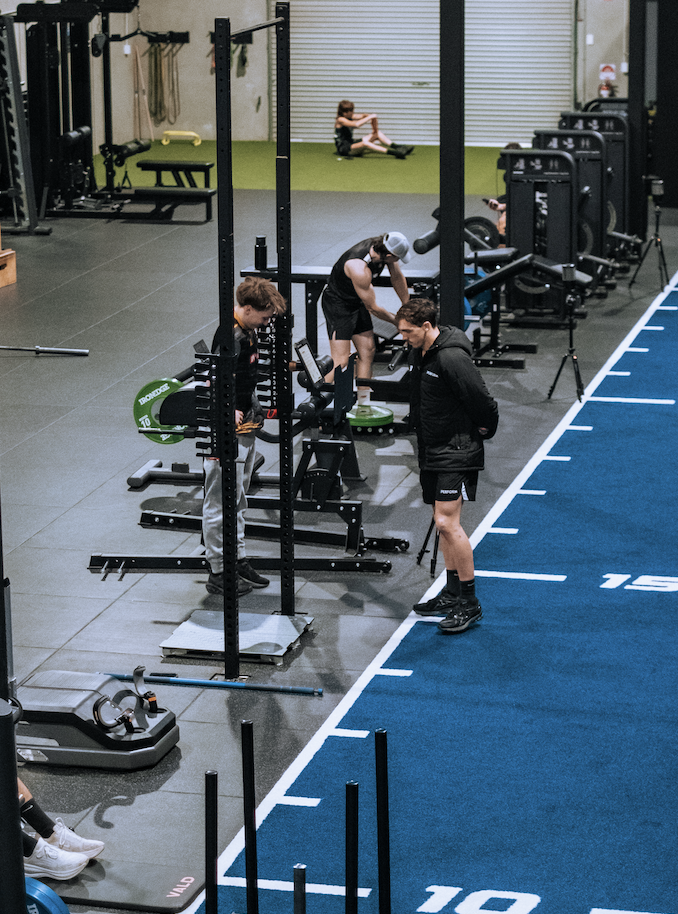
Fully equipped rehabilitation gym
Objective strength and performance testing (including VALD testing)
Collaboration with sports doctors and surgeons when required
Support from injury through to full performance
WHO IS THIS FOR?
Our ankle rehabilitation services are ideal for:
Athletes returning to sport
Runners
Active adults
Individuals with recurrent ankle sprains
People recovering from syndesmosis or deltoid ligament injuries
Anyone experiencing ongoing ankle instability
We service clients across Adelaide’s northern region including Mawson Lakes, Salisbury, Golden Grove, Modbury, Munno Para, Gawler, Barossa Valley, Virginia, Angle Vale, and Two Wells.
Ready to Get Started?
Starting the rehabilitation early makes a huge difference to your recovery and long-term outcome.
Still unsure? Book your first physiotherapy session to discuss it with us, call us on 8151 1347, or contact us here if you’d like to speak with our team first.
FREQUENTLY ASKED QUESTIONS
-
In some cases, bracing or taping can reduce re-injury risk. We guide this based on your strength, stability, and sport demands.
-
Residual joint stiffness and calf weakness are common if mobility and strength weren’t fully restored during rehab.
-
Cross-training options are often used to maintain fitness while protecting healing ligaments. Whether or not you are able to cycle or swim will be dependent on the type and severity of your injury and how long it has been since the injury occurred.
-
Continuing to play without adequate recovery can increase instability, prolong healing, and raise re-injury risk.
-
At iPerform, we use strength testing, hop testing, balance assessments, and sport-specific drills to determine if you’re ready to return to sport while minimising your risk of re-injury.