QUADRICEPS
INJURIES
QUADRICEPS INJURY PHYSIO AT
IPERFORM IN ADELAIDE’S NORTH
Quadriceps strains are a common injury in running and field sports, particularly those involving sprinting, kicking, jumping, and sudden changes of direction. What may start as tightness or discomfort in the front of the thigh can quickly progress into a strain that limits your ability to train, compete, or even run comfortably.
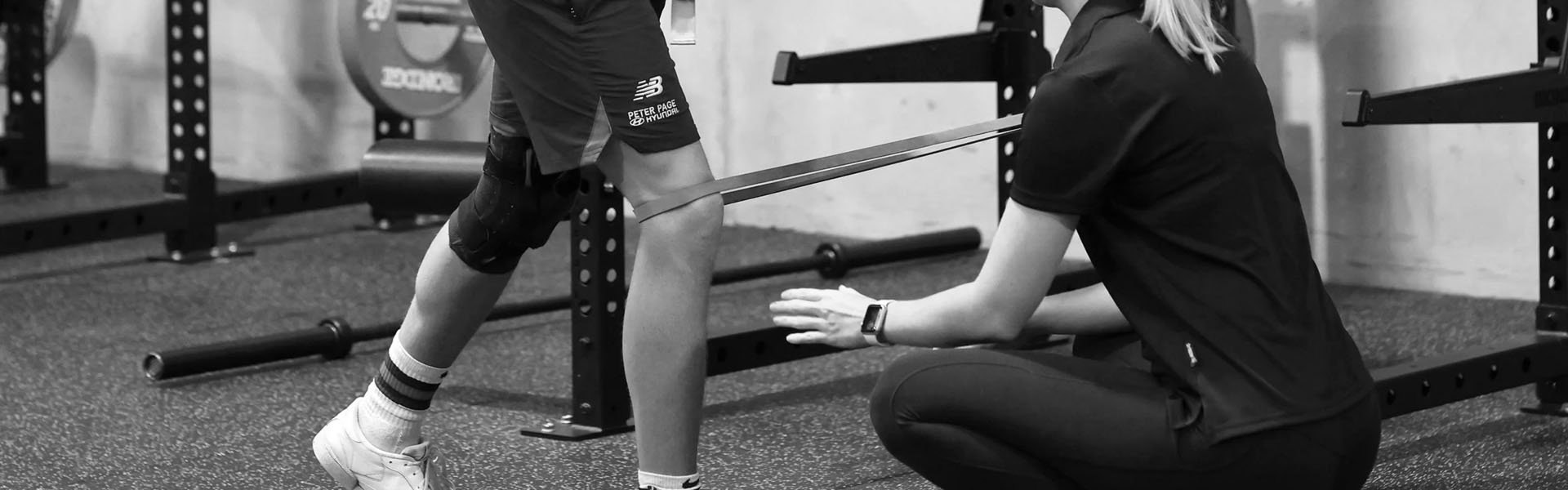
At iPerform, our experienced physiotherapists assist athletes and active individuals with quadriceps injuries through their rehabilitation journey. We take a performance-based approach, guiding you through progressive rehabilitation to ensure your quadriceps are strong, resilient, and ready for sport.
UNDERSTANDING QUADRICEPS STRAINS
The quadriceps are a powerful group of muscles at the front of the thigh that play a key role in knee extension, kicking, sprinting, deceleration, and absorbing force when landing. Strains commonly occur when the muscle is overloaded, particularly during high-speed running or explosive movements.
Quadriceps strains are typically classified as:
Mild (Grade 1): Minor muscle fibre damage with mild strength loss
Moderate (Grade 2): Partial tear causing pain, weakness, and difficulty with running or loading
Severe (Grade 3): Complete tear requiring specialist assessment and management
Previous quadriceps injuries, inadequate rehabilitation, and returning to sport too quickly all increase the likelihood of recurrence.
Acute quadriceps muscle strains
Quadriceps tears
Recurrent/repeat quadriceps injuries
Quad central tendon injuries
Ongoing quadriceps tightness limiting performance
Post-surgical quadriceps rehabilitation
QUADRICEPS INJURIES WE COMMONLY TREAT
OUR APPROACH TO QUADRICEPS STRAIN REHABILITATION
Effective quadriceps rehab requires a structured and progressive approach tailored to your injury and sporting goals.
Early Management
The initial phase focuses on protecting the injured muscle while maintaining appropriate movement. This may include pain and swelling management strategies, activity modification, gentle mobility work, and early activation exercises to prevent excessive strength loss.
Strength and Rehabilitation
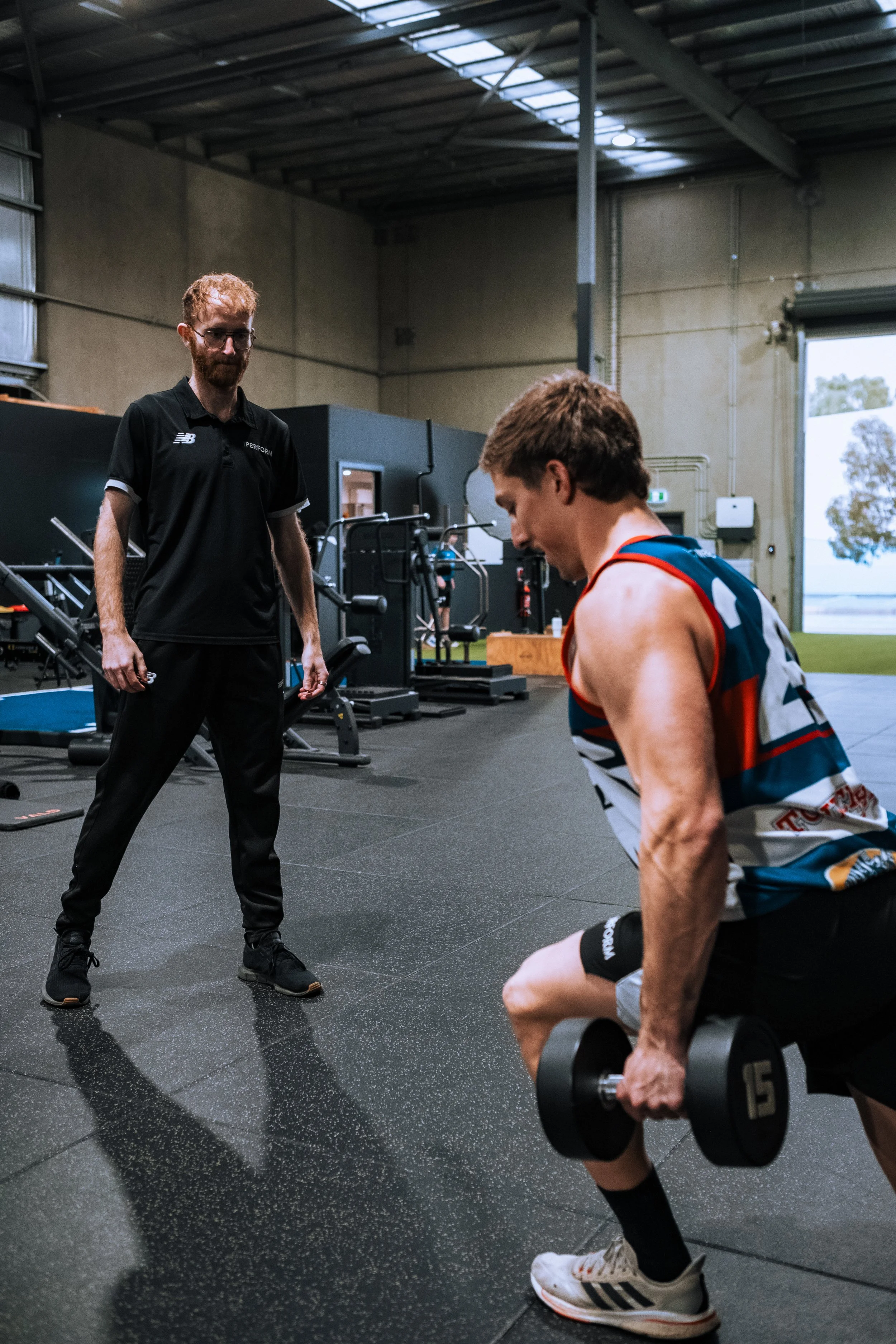
As pain settles, the focus shifts to restoring strength, control, and muscle capacity. This stage typically includes progressive quadriceps strengthening, single-leg loading, hip and trunk strengthening, and correcting movement patterns that may have contributed to the injury. We progressively expose the quadriceps to positions and loads required for running and sport.
Return to Sport and Performance
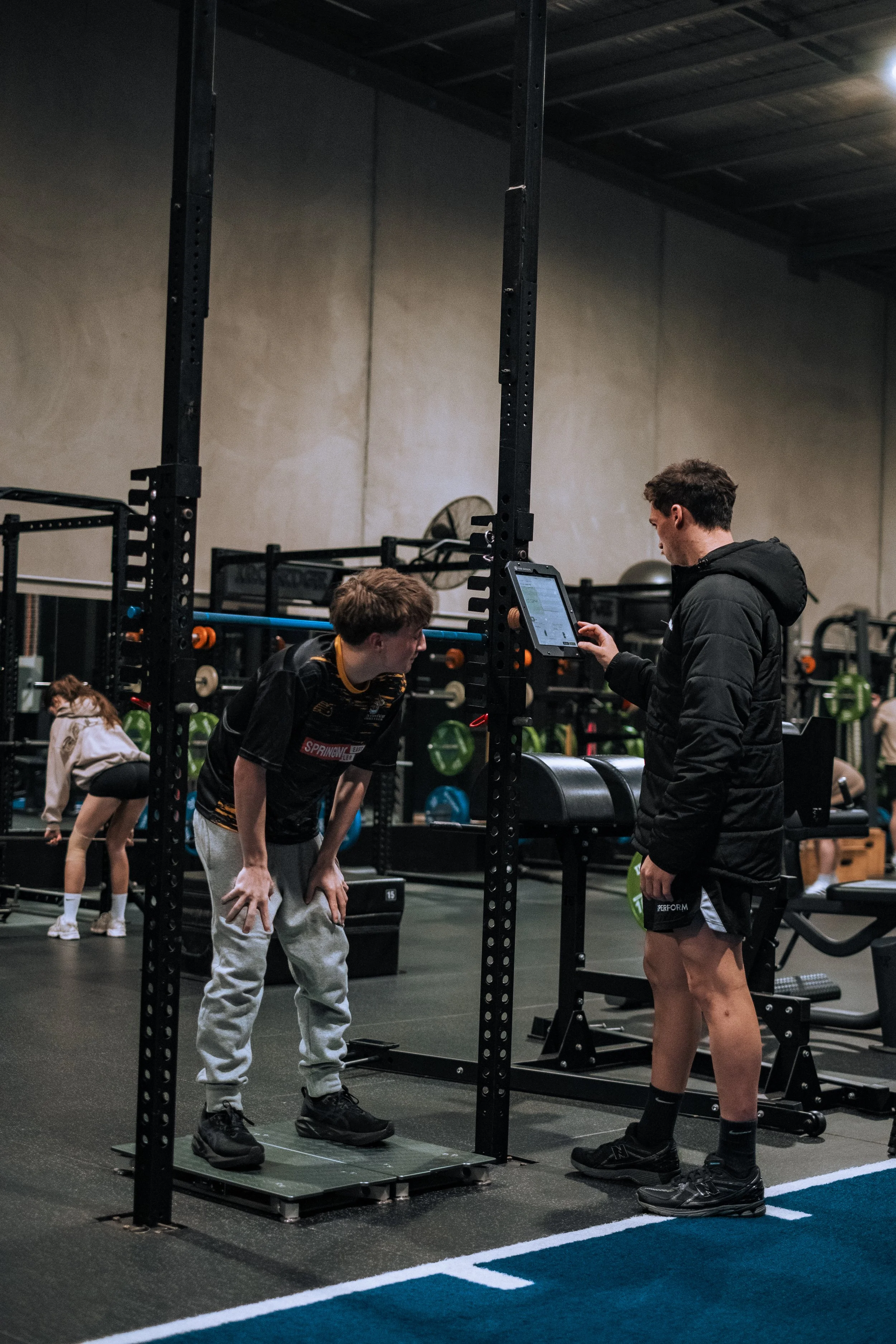
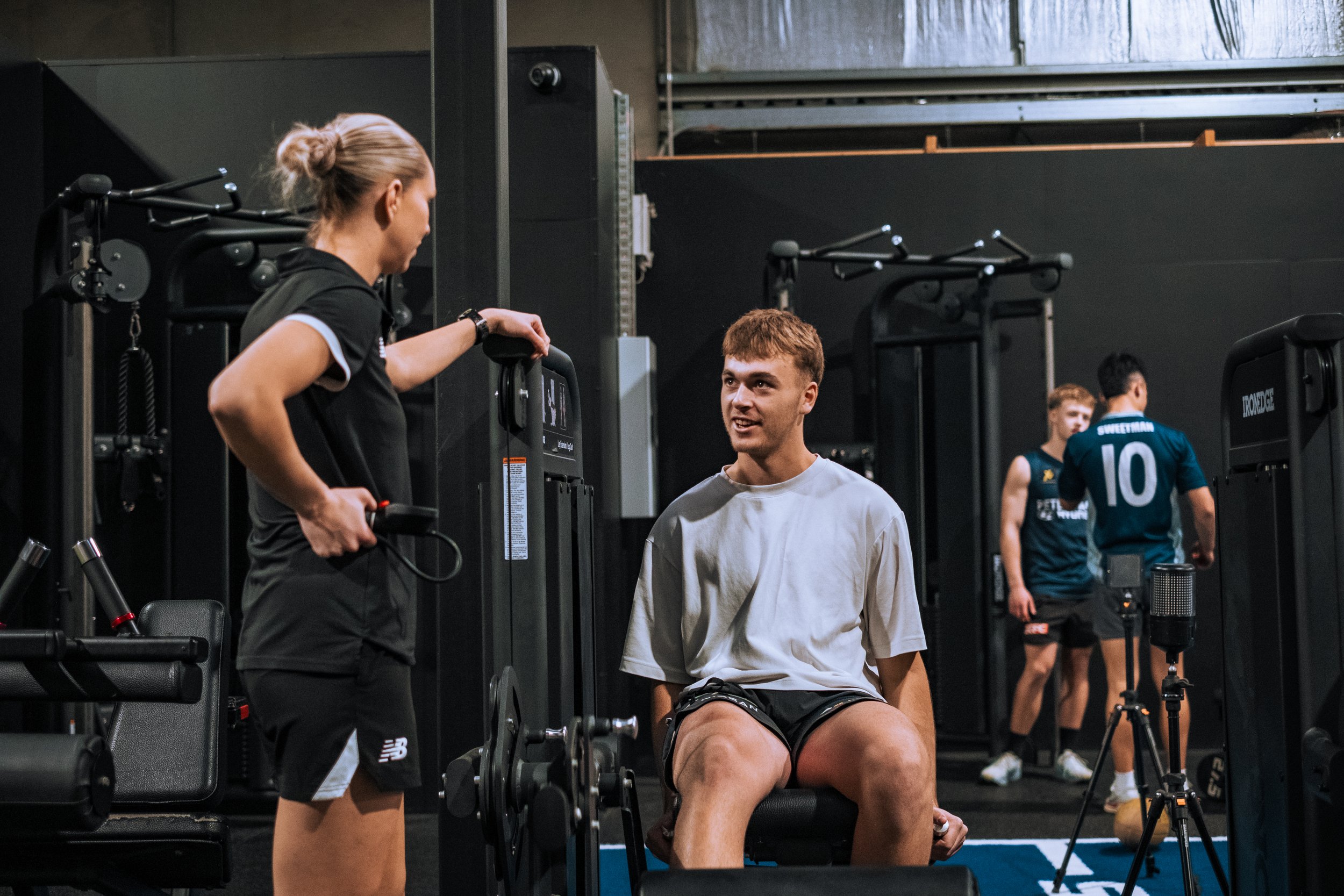
The final phase prepares your quadriceps for the demands of training and competition. This may include sprint progressions, acceleration and deceleration drills, jumping and landing exercises, and sport-specific conditioning. We utilise strength and movement testing, including VALD testing equipment, to assess for any asymmetries and strength deficits that may impact on return to sport. The goal is to identify modifiable risk factors that can be targeted and reduce your risk of re-injury and improve your performance.
WHY QUADRICEPS INJURIES OFTEN DON’T FULLY RESOLVE
Many quadriceps strains seem to improve quickly, but the muscle is often still lacking strength and load tolerance - particularly for sprinting, kicking, and explosive movements. This is why quadriceps injuries commonly return when athletes resume high-speed running or sport.
Common reasons quad injuries persist or recur include:
Returning to running too soon
Incomplete restoration of quadriceps strength
Poor tolerance to sprinting and acceleration loads
Ongoing tightness masking underlying weakness
Lack of progressive, sport-specific rehabilitation
WHY CHOOSE IPERFORM FOR QUADRICEPS REHAB?
Athlete-focused rehabilitation approach
Specific focus on quadriceps strains related to sprinting and running sports
Progressive strengthening targeting the quadriceps and other contributing factors
Structured return-to-running and sprint progression programs
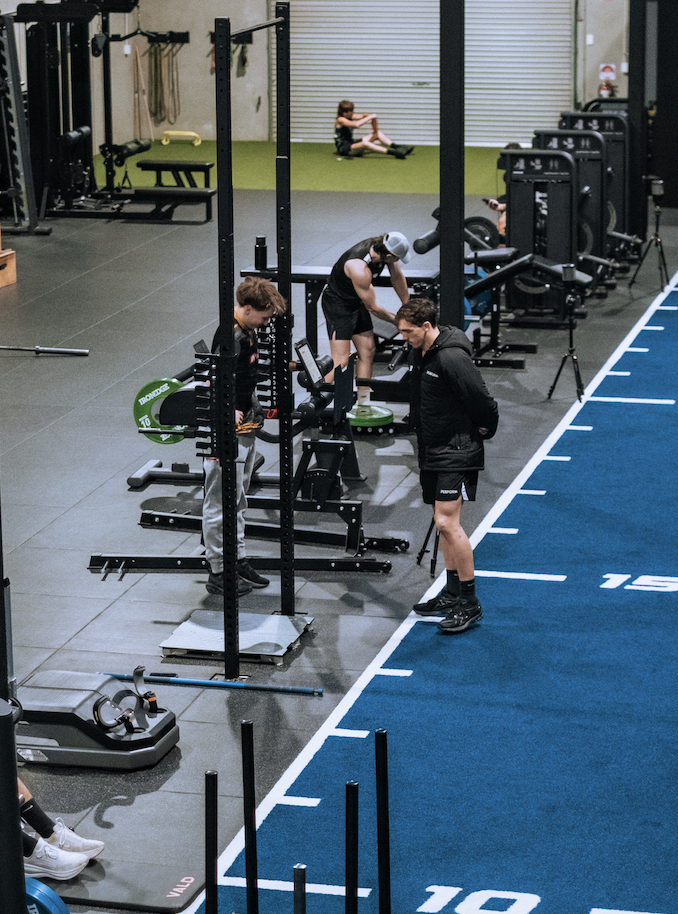
Integration of gym-based rehabilitation and on-field performance preparation
Objective strength and performance testing to guide return to sport
No matter where you are in your recovery journey, we have rehabilitation options to meet your needs. Whether you're looking for expert physiotherapy to manage pain and restore function, or a structured Sports Rehab Program to prepare you for a safe and confident return to sport, our team is here to help.
If you’re unsure what you need, we recommend booking your first physiotherapy session to discuss it with one of our experienced physiotherapists. You can also call us on 08 8151 1347 or message us here.
BOOK YOUR QUAD INJURY ASSESSMENT
If you’re dealing with a quadriceps injury, early assessment and structured rehabilitation can significantly improve your recovery and reduce the risk of re-injury.
At iPerform, your assessment focuses on understanding:
The severity of your quadriceps injury
Why the injury occurred
What your quadriceps need to tolerate for your sport
How to safely progress back to full performance
You’ll leave with a clear plan, realistic expectations, and confidence in your recovery.
WHO IS THIS FOR?
Athletes wanting a safe and structured return to sport
Runners experiencing quadriceps pain or tightness
Active individuals struggling with ongoing thigh injuries
Anyone wanting to prevent recurrence and improve performance
We service clients from all over Adelaide’s northern area including Mawson Lakes, Salisbury, Golden Grove, Modbury, Munno Para, Gawler, Barossa Valley, Virginia, Angle Vale, and Two Wells.
Ready to get started?
You don’t need all the answers right now. Book your first physiotherapy session to discuss your goals with us, give us a call on 08 8151 1347, or reach out here to get started.
FREQUENTLY ASKED QUESTIONS
-
Most people feel a sudden pull, sharp pain, or tightness in the front of the thigh. Some notice pain when walking, running, or going up and down stairs. More severe strains may cause weakness, swelling, or bruising.
-
Recovery time depends on the severity. Mild quadriceps strains may recover within 2–4 weeks, while more significant injuries can take 6–12 weeks or longer. A structured rehab program helps guide a safe and effective return.
-
The most effective approach is progressive loading - starting with early activation, then gradually building strength, running capacity, and sport-specific function. Complete rest alone often slows recovery.
-
Ongoing tightness is often a sign the muscle isn’t tolerating your current training load. Improving strength and gradually increasing load tolerance is essential.