HAMSTRING INJURIES
HAMSTRING INJURY PHYSIO AT
IPERFORM IN ADELAIDE’S NORTH
Hamstring strains are one of the most common injuries in sport, and one of the most likely to recur if not rehabilitated properly. They often occur during sprinting, kicking, sudden acceleration or deceleration, and can range from a mild pull to a significant muscle tear.
At iPerform, our physiotherapists are skilled in hamstring strain rehabilitation for athletes and active individuals. Our approach combines expert physiotherapy with structured strength and conditioning to help you recover fully and return to your sport with confidence.
We don’t just aim to settle symptoms - we focus on restoring strength, speed, and resilience so your hamstring can tolerate the demands of training and competition.
UNDERSTANDING HAMSTRING STRAINS
Why is it that so many athletes either don’t return to sport post injury, or come back feeling underprepared and lacking confidence?
A hamstring strain occurs when the muscle is overloaded, often during high-speed or lengthened positions. These injuries are common in sports such as football, soccer, netball, athletics, and rugby, but also affect recreational runners and gym-goers.
Hamstring strains are commonly classified as:
Mild (Grade 1): Small muscle fibre damage with mild strength loss
Moderate (Grade 2): Partial muscle tear with pain, weakness, and reduced function
Severe (Grade 3): Complete tear or avulsion requiring specialist management
A previous hamstring strain significantly increases the risk of re-injury, which is why thorough rehabilitation is essential.

HAMSTRING INJURIES WE COMMONLY TREAT
Acute hamstring muscle strains
Hamstring muscle tears
Recurrent hamstring strains
Proximal and distal hamstring tendinopathy
Sprinting- and kicking-related hamstring injuries
Post-surgical hamstring rehabilitation
OUR APPROACH TO HAMSTRING STRAIN REHABILITATION
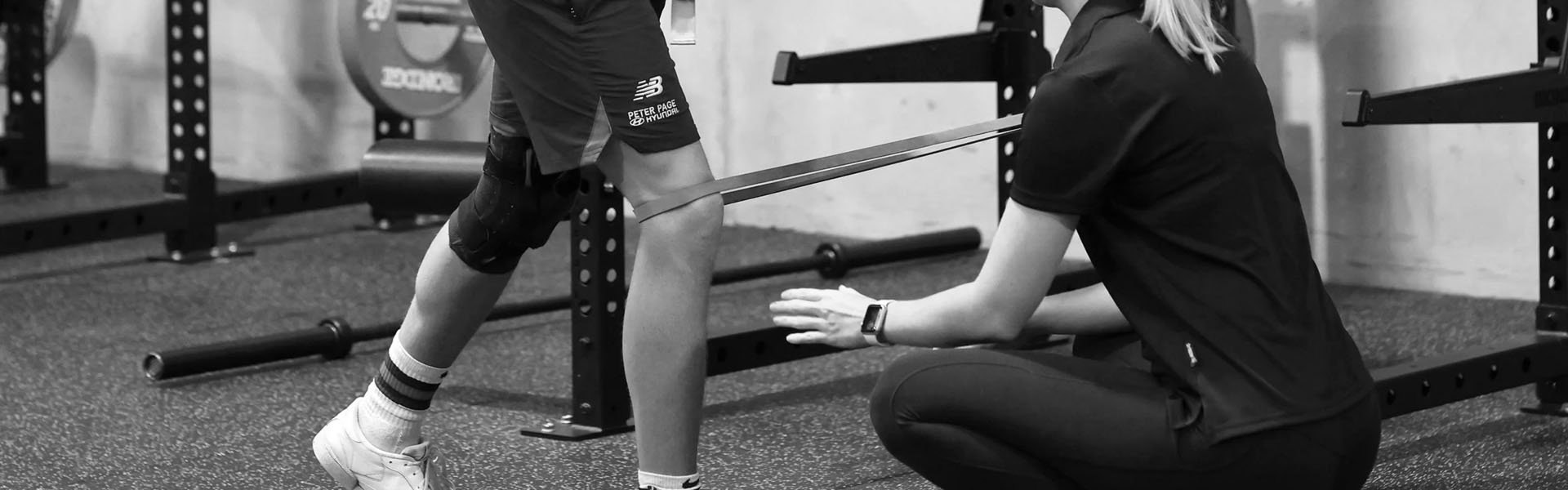
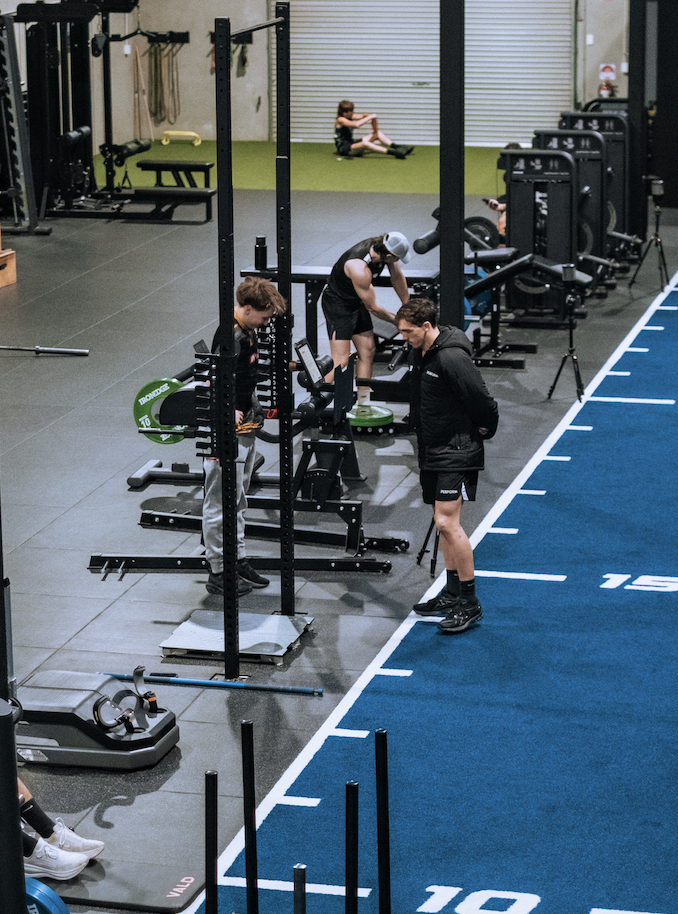
Hamstring rehab needs to be progressive, individualised, and performance-focused. Your program is tailored to the severity of your injury, your sport, and your goals.
Early Management
The initial phase focuses on protecting the injury site while avoiding unnecessary rest. This may include pain and swelling management, activity modification, gentle mobility work, and early activation of surrounding muscles.
Strength and Rehabilitation
As symptoms settle, rehabilitation progresses to rebuilding strength and capacity. This phase typically includes progressive hamstring loading, hip and trunk strengthening, movement and running mechanics assessment, and controlled exposure to hamstring lengthening positions under load.
Return to Sport and Performance
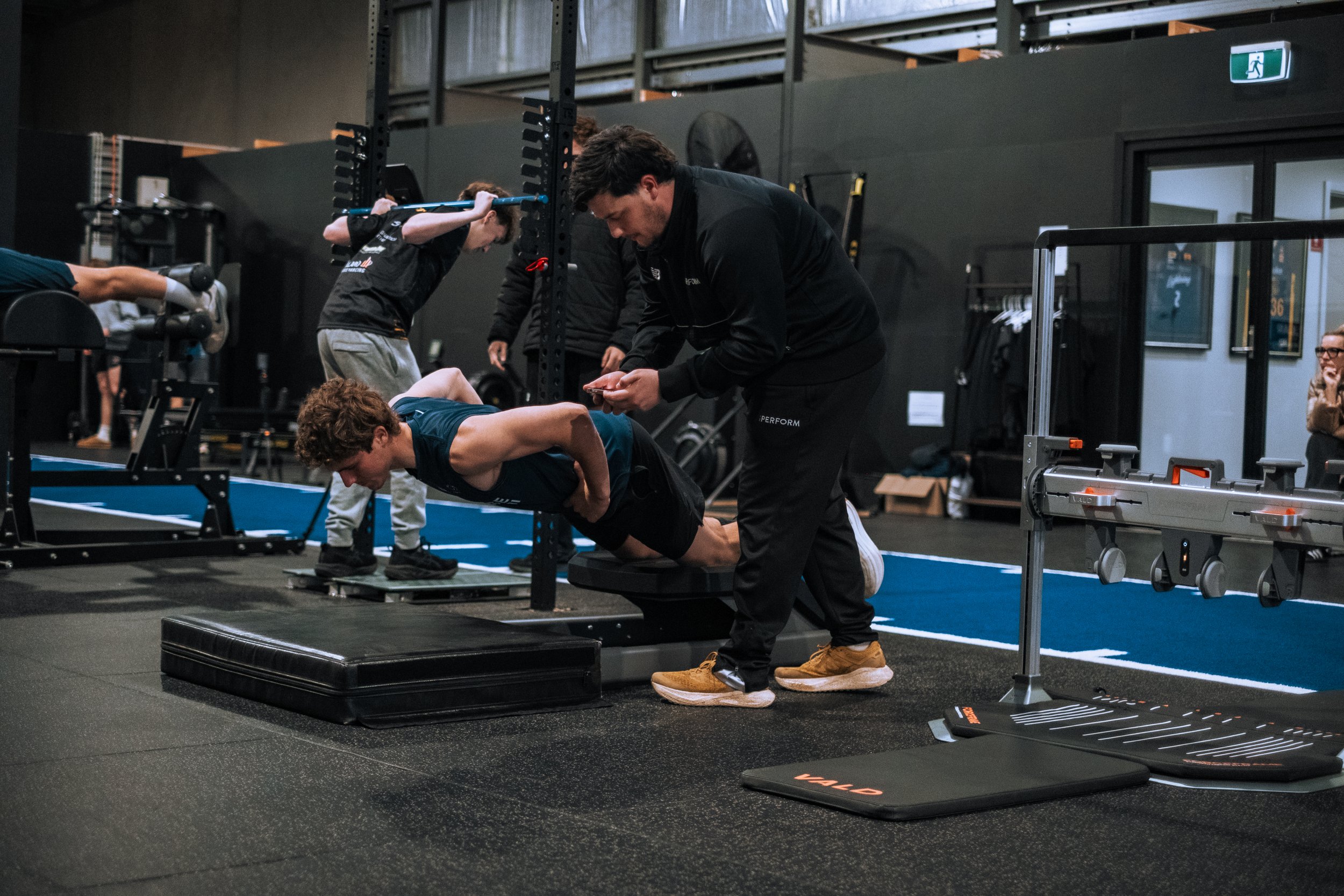
The final phase prepares your hamstring for real-world sporting demands. This may involve strength and movement testing with the use of VALD testing equipment, introducing sprinting and acceleration, sport-specific skills such as kicking or cutting, structured return to play planning, and advice regarding how to reduce your risk of re-injury.

WHY CHOOSE IPERFORM FOR HAMSTRING REHAB?
Athlete-focused rehabilitation approach
Integration of physiotherapy and strength & conditioning
Evidence-based progression from rehab to performance
Individualised programs tailored to your sport
Strong emphasis on reducing re-injury risk
Our aim is not just to get you back on the field, court or running track, but to help you return stronger and more resilient.
No matter where you are in your recovery journey, we have a solution to meet your needs. From everyday injuries to complex return to sport rehabilitation, we provide both Physiotherapy and a dedicated Sports Rehab Program. This allows you to access the level of support that best matches your injury, goals, and sporting demands.
If you’re unsure what you need, book your first physiotherapy session to discuss it with one of our experienced physiotherapists. You can also call us on 08 8151 1347 or contact us here.

BOOK YOUR HAMSTRING STRAIN ASSESSMENT
If you’re dealing with a hamstring injury, whether it’s your first injury or a frustrating recurrence, getting the right plan early can make a huge difference to your recovery.
At iPerform, your assessment focuses on understanding:
The severity of your hamstring strain
Why the injury occurred
What your hamstring needs to tolerate to return to your sport
How to reduce your risk of re-injury
You’ll leave with a clear rehab plan, realistic timelines, and confidence in your next steps.
WHO IS THIS FOR?
Athletes wanting a safe, performance-focused return to sport
Active individuals frustrated by lingering hamstring pain or tightness
Anyone who has re-injured their hamstring and wants to prevent recurrence
We service clients from all over Adelaide’s northern area including Mawson Lakes, Salisbury, Golden Grove, Modbury, Munno Para, Gawler, Barossa Valley, Virginia, Angle Vale, and Two Wells.
Ready to get started?
Book your assessment today to get your rehab started! If you're on the fence, simply book your first physiotherapy session to discuss a game plan with us. Alternatively, call 08 8151 1347 or send us a message.
FREQUENTLY ASKED QUESTIONS
-
Your first session focuses on understanding your injury and creating a clear plan. We’ll assess how the injury occurred, your movement, strength, and current capacity. You’ll usually start treatment and exercises on the day and leave knowing what you can safely do, what to avoid, and what the next steps look like.
-
Recovery depends on the severity of the strain. Mild strains may take a few weeks, moderate strains several weeks, and severe injuries longer. Our focus is always on returning you safely. From day 1 we’ll walk you through every step and answer any questions along the way.
-
Complete rest is rarely helpful. While some activity modification is important early, hamstring strains respond best to controlled, progressive loading guided by a physiotherapist.
-
This depends on the severity and stage of your injury. Some athletes can continue modified training, while others need a short break from high-speed or high-load activities. This is tailored individually.
-
Imaging isn’t always required. Many hamstring strains can be managed effectively with a thorough clinical assessment. If scans are needed, we are able to guide you appropriately.
-
Most hamstring strains recover well without surgery. In rare cases, such as complete ruptures or avulsion injuries, surgery may be required.
If this is indicated, we work closely with sports physicians and orthopaedic surgeons to ensure seamless care before and after surgery.
-
Yes. Progressive strength training is essential, particularly eccentric loading, to restore performance and reduce the risk of future injury.
-
Targeted strengthening, a proper warm-up, and gradual load management are key to reducing your risk of re-injury.