CALF INJURIES
CALF INJURY PHYSIO AT
IPERFORM IN ADELAIDE’S NORTH
Calf injuries are common in running and field sports and often feel deceptively minor until they keep flaring every time you try to run, push off, or return to training.
Whether it’s a sudden sharp pain during acceleration, tightness that builds with running, or repeated calf strains that never fully settle, calf injuries require a specific and progressive rehabilitation approach.
At iPerform, our trusted physiotherapists provide tailored calf injury rehabilitation for athletes and active individuals. Our focus is on restoring calf strength, tendon capacity, and running tolerance so you can return to sport without ongoing setbacks.
UNDERSTANDING CALF INJURIES
Calf injuries typically occur during push-off, acceleration, or repetitive loading, particularly in sports involving running, jumping, and changes of speed.
Common injury mechanisms include:
Sudden acceleration or deceleration
Fatigue during running or training blocks
Rapid increases in running volume or intensity
Reduced ankle mobility or strength deficits elsewhere
Calf injuries can involve different structures, each requiring a slightly different rehab approach.
CALF INJURIES WE COMMONLY TREAT
Acute calf muscle strains and tears
Gastrocnemius strains
Soleus strains
Recurrent calf strains, tightness, or cramping
Ongoing calf pain with running or sprinting
Calf injuries related to rapid training load increases
Post-surgical calf rehabilitation
OUR APPROACH TO CALF INJURY REHABILITATION
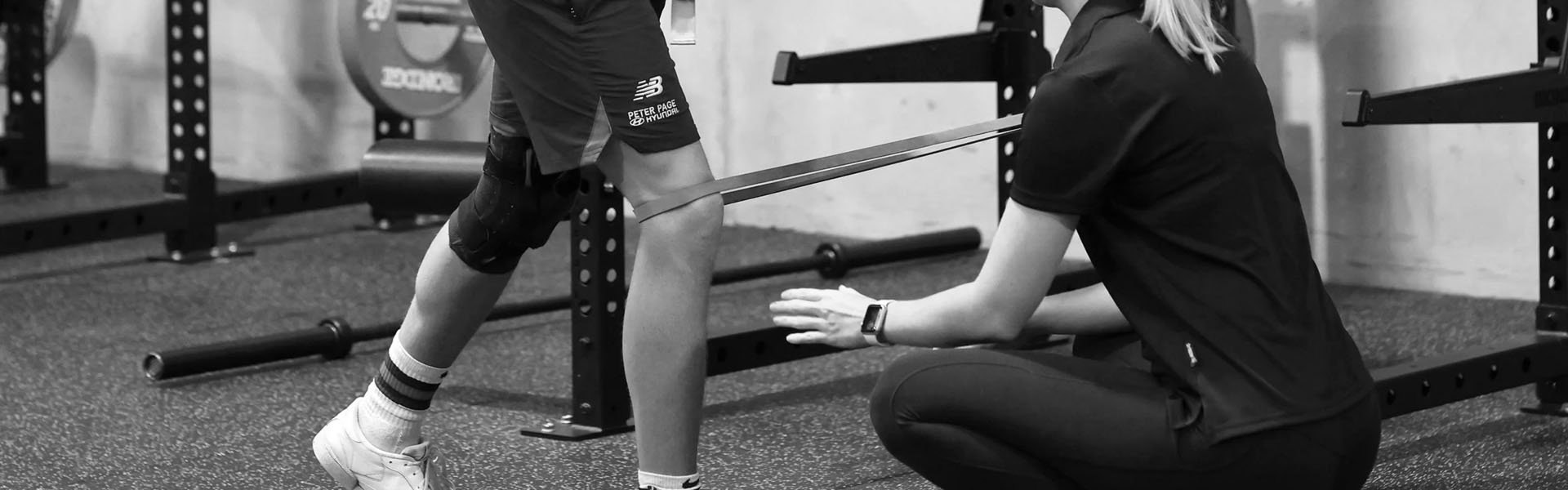
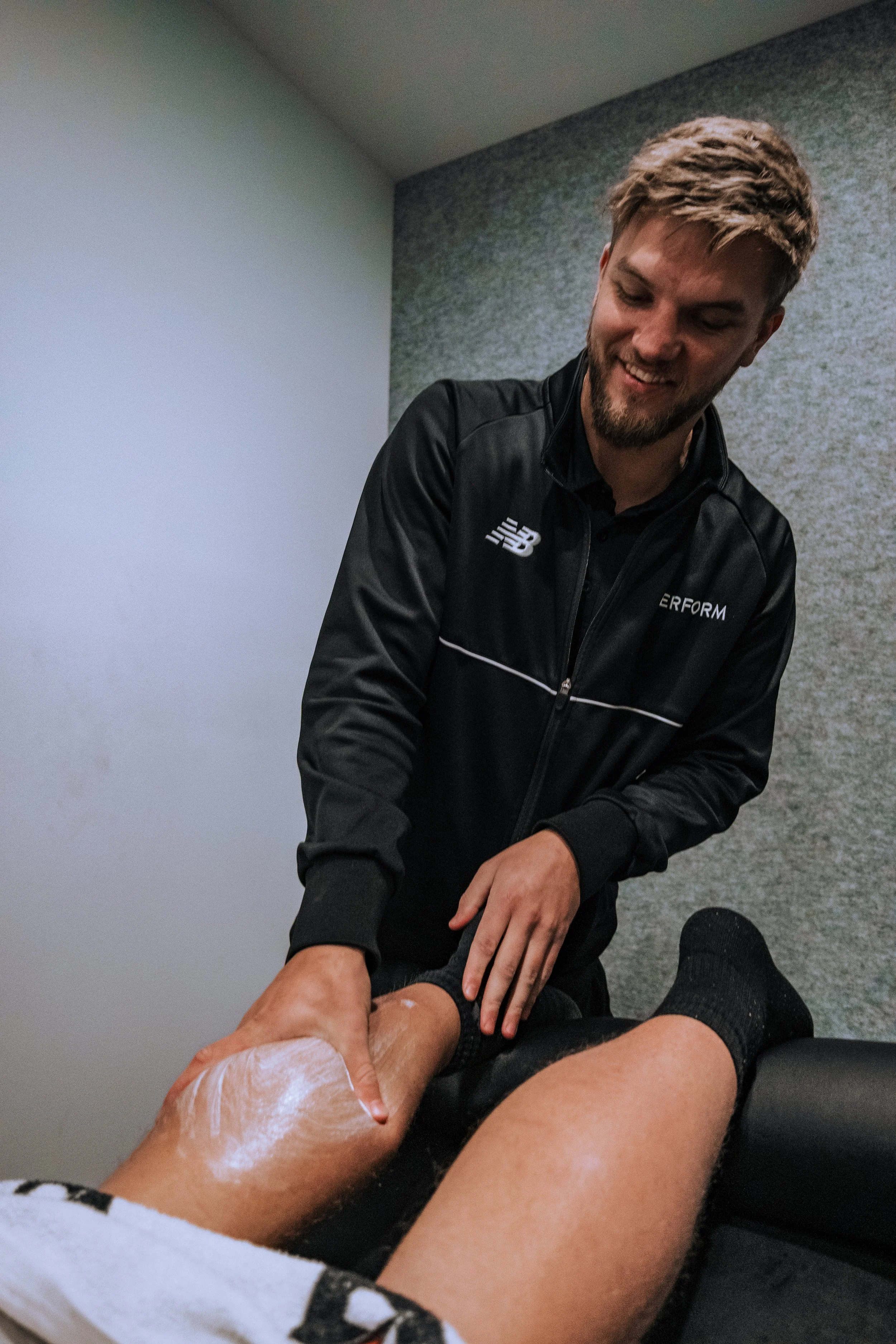
Effective calf rehab is about load tolerance and progression, not just rest or stretching. Your program is based on the type of calf injury, your sport, and your current running capacity.
Early Management
The initial phase focuses on settling symptoms while maintaining movement where possible. This may include load modification, pain and swelling management strategies, gentle ankle mobility work, and early calf activation without aggravation.
Strength and Load Capacity
As symptoms improve, rehabilitation progresses toward rebuilding calf strength and endurance. This often includes:
Isometric and isotonic calf strengthening
Gradual progression to single-leg loading
Soleus and gastrocnemius specific strengthening
Ankle and foot strength development
Calf capacity is critical, underloaded calves are a major risk factor for recurrence.
Return to Running and Sport
The final phase is centred on restoring tolerance to impact and propulsion. This may involve:
Graduated return-to-running programs
Hopping, pogo, and plyometric progressions
Sport-specific conditioning and load management
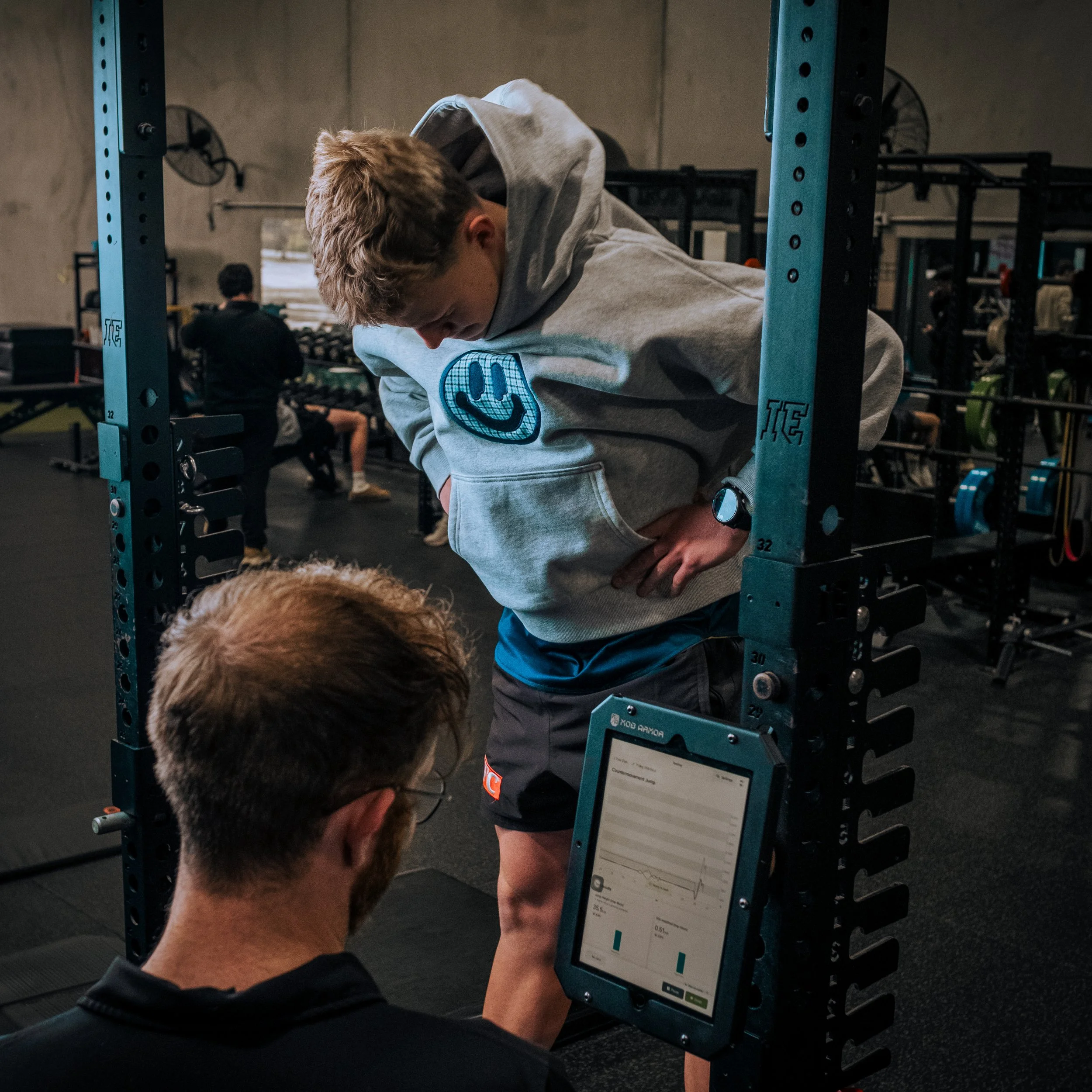
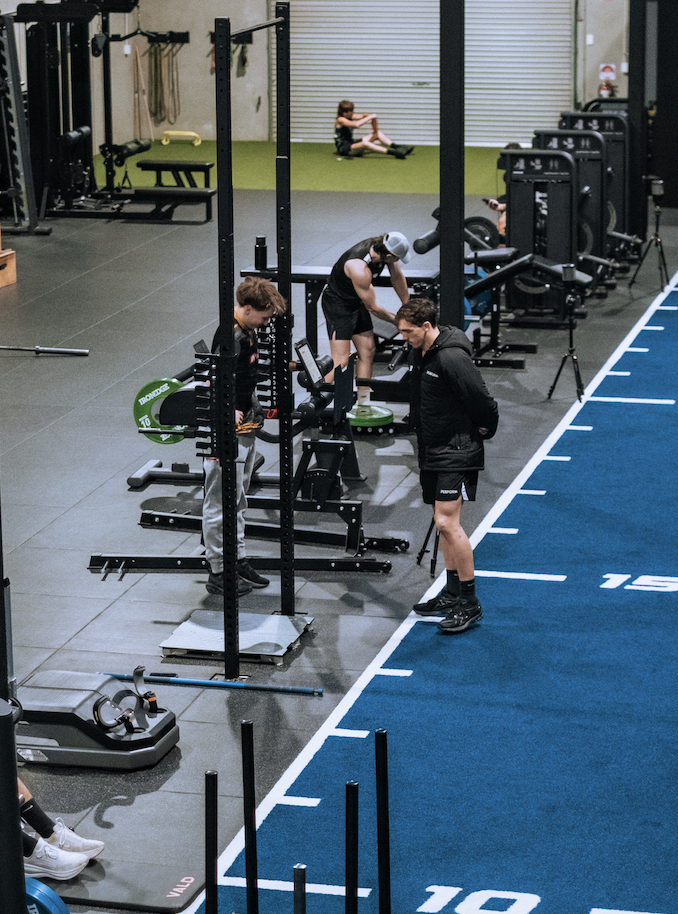
Strength and movement assessment, including use of VALD equipment
Running analysis and optimisation
The goal is not just symptom resolution, but confidence in pushing off, sprinting, and repeated efforts.
WHY CHOOSE IPERFORM FOR CALF REHAB?
Athlete-focused, running-specific rehab
Integration of physiotherapy and strength & conditioning
Individualised loading and return-to-run programs
Emphasis on calf capacity and durability
Strong focus on reducing recurrence
Our aim is to make sure your calf is ready for the demands of your sport repeatedly, not just day to day activities.
At iPerform, we offer both traditional Physiotherapy and our Sports Rehab Program. Whether you need expert assessment and treatment for an injury or a comprehensive, performance-focused rehabilitation pathway, our team can help you find the right solution for your goals.
Not sure where to start? Book your first physiotherapy session to discuss your options with us, call us on 08 8151 1347, or contact us here and we’ll help you figure it out.
BOOK YOUR CALF INJURY ASSESSMENT
If calf pain or repeated strains are limiting your running or performance, early and targeted rehab can prevent long-term setbacks.
At iPerform, your assessment focuses on:
Identifying the type and severity of your calf injury
Understanding why it occurred
Assessing your current running and load tolerance
Creating a clear, progressive rehab plan
You’ll leave with clarity, confidence, and a plan that matches your sport and goals.
WHO IS THIS FOR?
Runners dealing with calf pain or recurring strains
Athletes returning to sprinting or high-speed work
Active individuals frustrated by calf tightness that won’t settle
We service clients from all over Adelaide’s northern area including Mawson Lakes, Salisbury, Golden Grove, Modbury, Munno Para, Gawler, Barossa Valley, Virginia, Angle Vale, and Two Wells.
Ready to get started?
If you're on the fence, simply book your first physiotherapy session to discuss a game plan with us. Alternatively, call 08 8151 1347 or send us a message.
FREQUENTLY ASKED QUESTIONS
-
As soon as possible. Early assessment ensures accurate diagnosis, appropriate load management, and structured rehab, speeding recovery and lowering the risk of re-injury.
-
In some cases, yes - but it depends on the severity of the strain and how your calf responds to load. Continuing to train without guidance often leads to delayed healing or re-injury. We’ll help you modify training so you stay active without aggravating the injury.
-
Calf tightness can still reflect underlying fatigue or reduced load tolerance - even without a clear tear. Repeated tightness is often a warning sign that the calf isn’t coping with your current training demands.
-
Yes. Weak or tight calves can alter your running or jumping mechanics, placing extra strain on the Achilles, hamstrings, knees, or even hips. Rehab addresses the whole kinetic chain to prevent secondary injuries.
-
Returning to sprinting and jumping depends on strength, endurance, and how your calf handles high-speed and repeated loading. We use progressive exposure and clear benchmarks to ensure your calf is ready before full return.
-
Common risk factors include returning too quickly, insufficient calf strength or endurance, rapid increases in training load, and stopping strength training once pain settles. Rehab should continue beyond “pain-free” to reduce recurrence.