ACL INJURIES
ACL REHABILITATION AT
IPERFORM IN ADELAIDE’S NORTH
An Anterior Cruciate Ligament (ACL) injury can be a significant setback for any athlete. It often happens suddenly - one movement, one landing, one change of direction.
While the initial pain and swelling can be confronting, many athletes quickly begin asking important questions about the road ahead:
Will I need surgery?
When can I return to my sport?
How long will recovery take?
Will my knee feel strong and will I feel confident with movement again?
The good news is that with the right guidance and a well-structured rehabilitation plan, athletes regularly return to sport strong, confident, and capable of performing again. ACL rehabilitation is a journey, and every athlete’s pathway will look slightly different. What makes the biggest difference is having a clear plan, expert support, and the right progressions at each stage of recovery. At iPerform in Adelaide’s north, our team of experienced physiotherapists can guide you through every stage of the process - from early decision-making through to returning to full performance - so you always know what comes next and feel supported along the way.
PREHABILITATION FOR ACL INJURIES
Prehabilitation (prehab) is physiotherapy completed before ACL surgery. The goal is to prepare your knee and body for the best possible recovery and improving outcomes post-operatively.
Going into surgery with a stiff, swollen, and weak knee is linked to slower recovery and poorer outcomes. Prehab prepares your knee for surgery by reducing swelling, restoring full range of motion, and rebuilding strength. Motor control and stability training are also included to restore normal walking and movement prior to surgery, setting a strong foundation for early rehabilitation.
In prehab, we are also here to support, educate, and prepare you for the rehabilitation journey looks like, including your early exercises, expected timelines, and we can liaise with your orthopaedic surgeon and support team.
Athletes who complete prehab often experience:
Faster early recovery
Reduced risk of complications
Lower pain levels
Better strength and functional outcomes
Greater confidence during rehabilitation
Uncertain what you need? We've got you. Book a physio session, give us a call on 08 8151 1347, or contact us today
REHABILITATION FOR ACL INJURIES
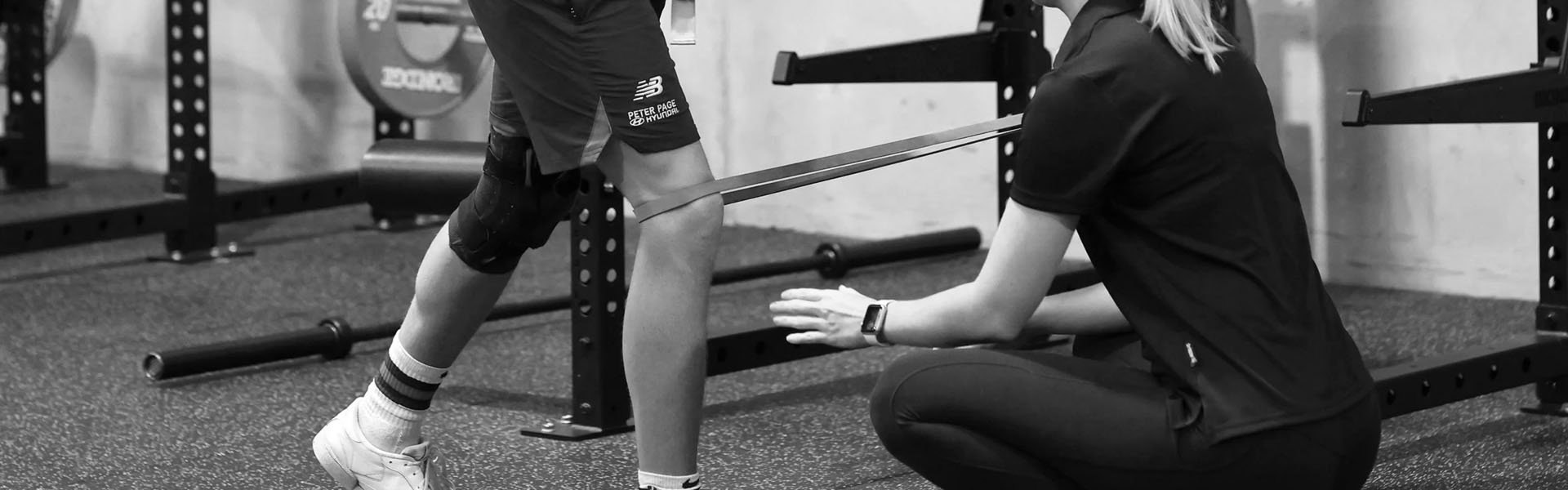
At iPerform we use a criteria-based rehabilitation approach, meaning your progression is guided by your strength, function, movement quality, and readiness - not simply by time. Every ACL injury and athlete is different, so your program is individualised to ensure you are physically and mentally ready before moving to the next stage.
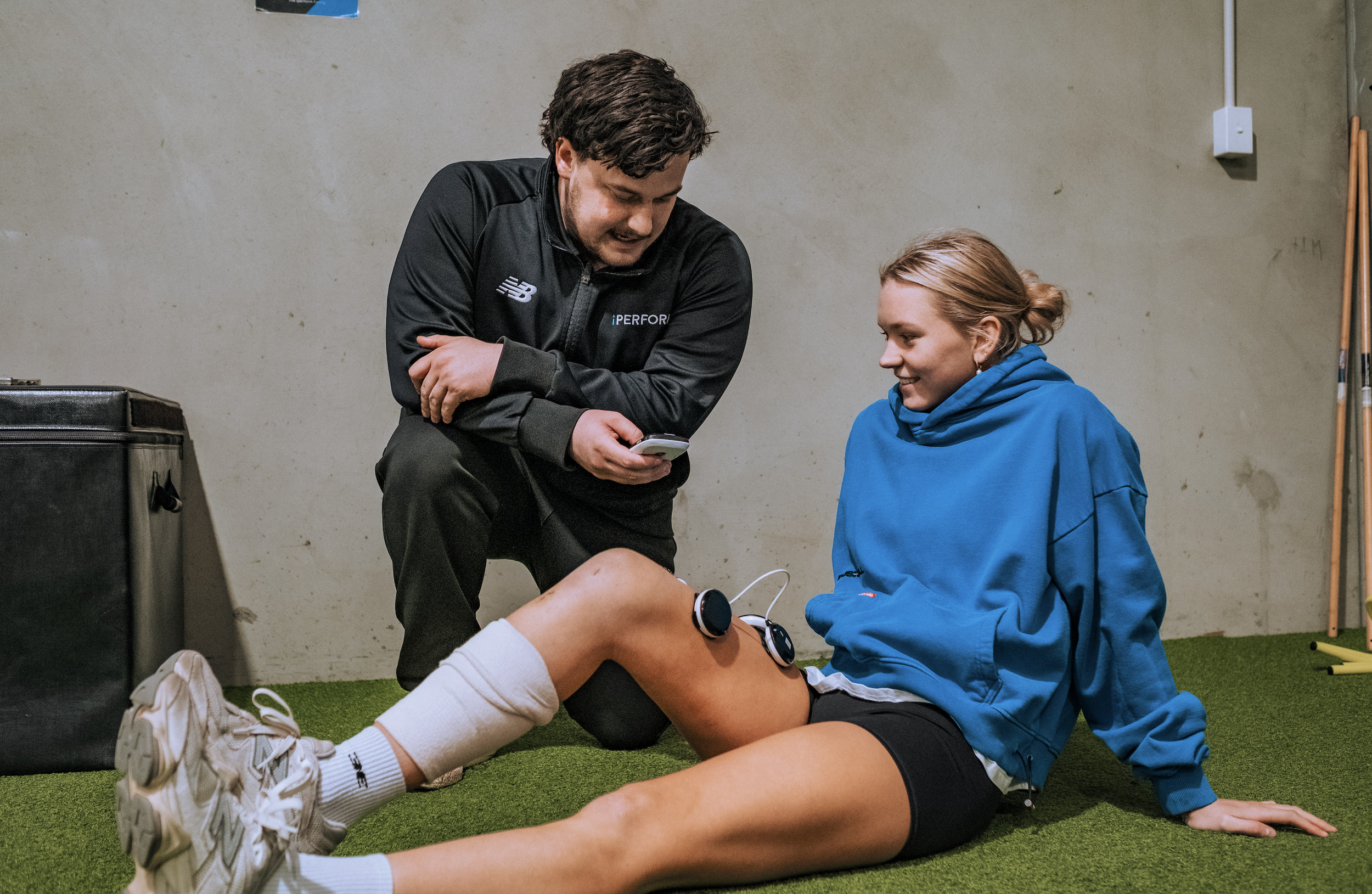
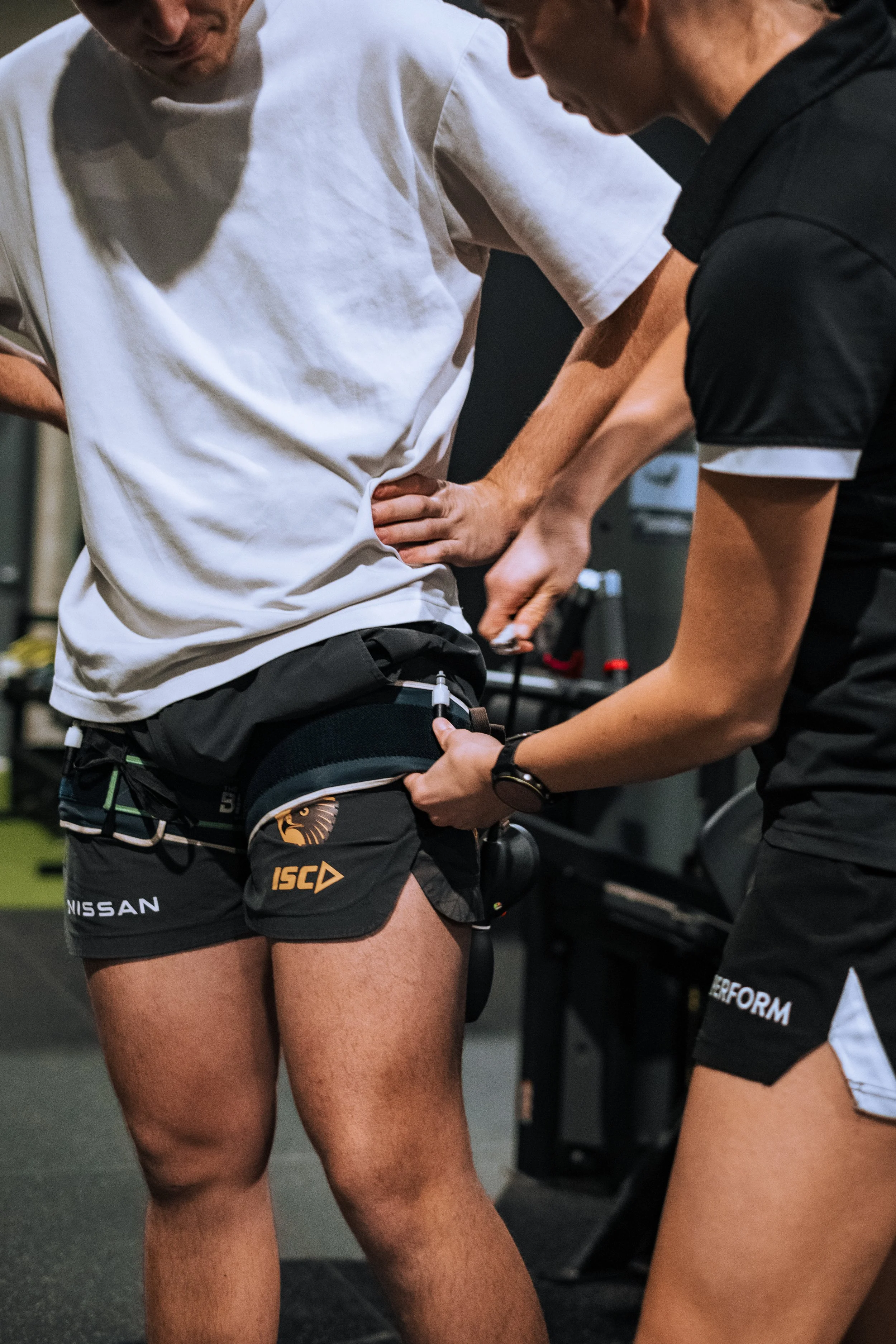
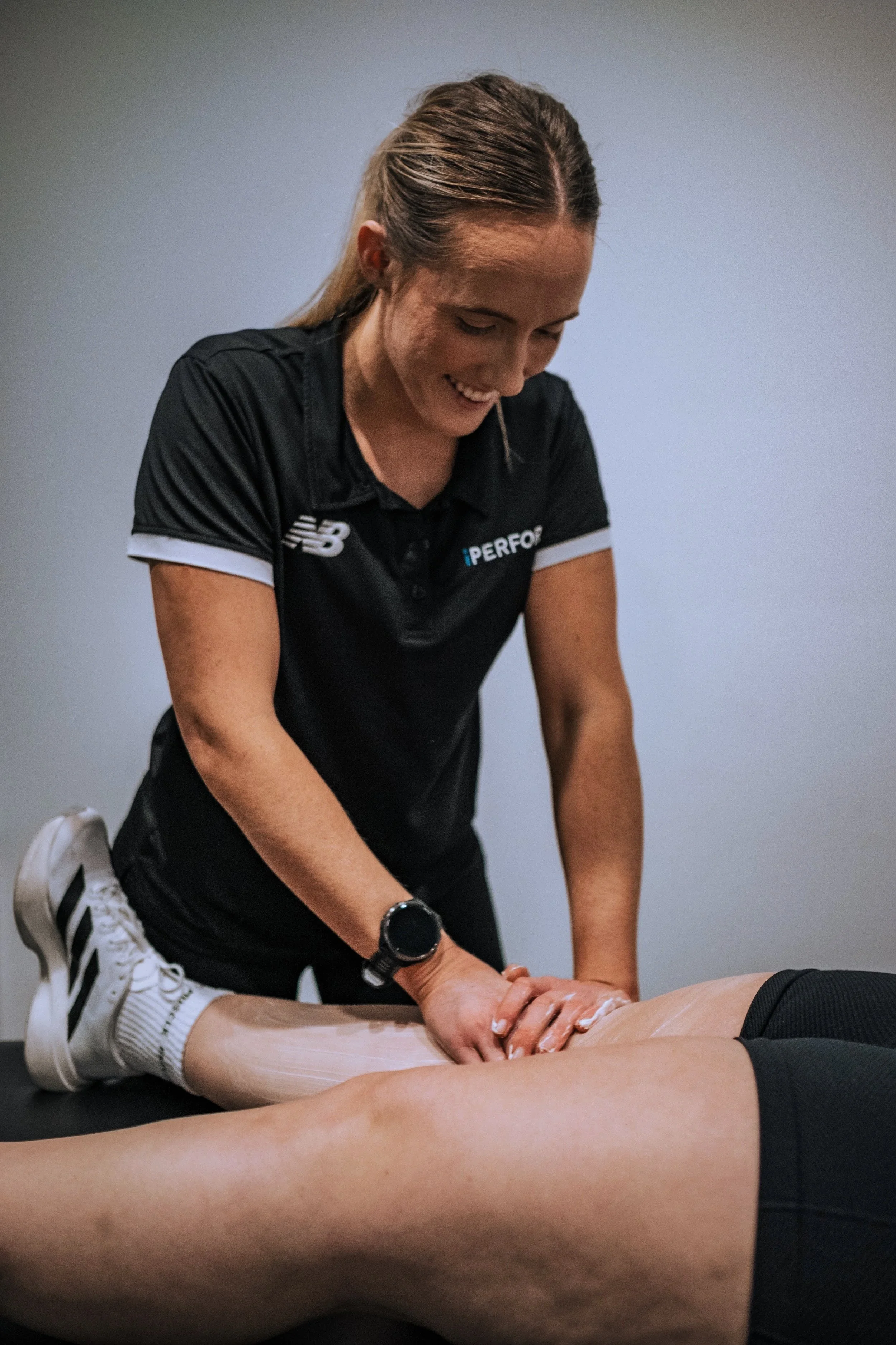
In the early stages, rehabilitation focuses on reducing pain and swelling, restoring knee movement, and re-activating key muscles. This may include manual therapy, massage, joint mobilisation, and use of recovery equipment, alongside targeted exercises to improve muscle activation and reduce protective movement patterns.
As your symptoms improve, rehabilitation progresses to strength, motor control, and stability training. The focus is to restore your strength and ability to control your knee during everyday tasks and sport-specific skills. We complete objective strength and functional testing at key milestones throughout your rehabilitation to ensure you are meeting benchmarks and ready to safely progress.
One of the biggest challenges after an ACL injury is the gap between gym rehabilitation and returning to full sport. Our physiotherapists gradually re-introduce running, jumping, landing, cutting, and pivoting drills, alongside continued strength training to bridge this gap. Exercises are progressed to match the specific movements and demands of your sport. These skills begin in controlled, predictable environments, before progressing to more reactive and game-like situations involving decision-making and change of direction. This helps build confidence, restore performance, and prepare your knee for the unpredictable nature of competition.
Our team supports you at every stage, offering standard physiotherapy consultations or our integrated Sports Rehab Program to provide you with a rehabilitation option that best suit your needs. If you’re unsure what you need, just book your first physiotherapy session to discuss it with one of our trusted physiotherapists. You can also call us on 08 8151 1347 or get in touch here.
ACL PHYSIO IN ADELAIDE’S NORTH WHY CHOOSE IPERFORM?
At iPerform we provide:
Support through the ACL rehabilitation journey from straight after your injury through to your return to sport
Individualised and sport-specific ACL rehabilitation plans
A fully equipped rehab gym
Guidance
Access to our integrated Sports Rehab Program
Objective strength and performance testing - including VALD equipment testing
Expert guidance from Physiotherapists and S&C coaches
WHO IS THIS FOR?
Our ACL rehabilitation services are designed for:
Athletes wanting a safe, performance-focused return to sport
Active individuals wanting to regain full confidence and trust in their knee
Anyone preparing for ACL surgery or recovering post-operatively
People choosing conservative (non-surgical) management of their ACL rupture
Anyone who has struggled to return to running, training, or sport after ACL injury
Athletes wanting to reduce their risk of re-injury
We service clients from all over Adelaide’s northern area including Mawson Lakes, Salisbury, Golden Grove, Modbury, Munno Para, Gawler, Barossa Valley, Virginia, Angle Vale, and Two Wells
Ready to Get Started?
Starting the rehabilitation early can make a huge difference to your recovery and long-term outcome.
Not sure where to start? Book your first physiotherapy session to discuss your options with us, call us on 08 8151 1347, or contact us here if you’d like to speak with our team first.
FREQUENTLY ASKED QUESTIONS
-
The ACL (anterior cruciate ligament) is a strong band of tissue inside your knee joint.
Its main role is to keep your knee stable, particularly during:
Turning
Twisting
Landing
Changing direction
It helps hold your knee together and prevents excessive movement that could cause your knee to give way.
When the ACL tears, the knee can become unstable - especially during sport or high-demand activities.
-
ACL injuries commonly occur during sports that involve:
Sudden changes of direction
Pivoting
Landing from a jump
Sudden stopping or slowing down
Contact with another player
ACL injuries can happen in sports such as netball, football, basketball, soccer, gymnastics, and rugby (and others).
-
A popping sensation at the time of injury
Rapid swelling within the first 24 hours
Pain
Difficulty walking
A feeling that the knee may give way
Loss of trust or confidence in the knee
Even after the initial pain settles, instability and weakness can persist without proper rehabilitation.
-
No, and it’s strongly recommended that you start physiotherapy early.
Prehabilitation improves strength, reduces complications, and leads to better outcomes after surgery.
-
With the right rehabilitation, many people return to the same, or even higher - level of sport and performance.
However, this depends heavily on:
Completing structured rehab
Restoring full strength
Completing proper return-to-sport testing
For many people, the knee eventually feels completely normal again. For others, it may always feel slightly different - but importantly, this does not prevent high-level performance as long as confidence, strength, and movement quality are restored.
-
One of the most important - and often most confusing - parts of an ACL injury is deciding on the best management pathway.
There is no single “right” option for everyone.
Management options may include:
Conservative (Non-Surgical) Management - Some people can undergo rehabilitation without surgery through structured physiotherapy. Cross bracing protocols are also increasingly used in suitable cases to support healing and stability.
Surgical Reconstruction - ACL reconstruction surgery involves replacing the torn ligament with a graft.
Why Individual Assessment Is Essential:
This decision should always be made in consultation with a Sports Doctor or Orthopaedic Surgeon.
Factors influencing this decision include:
If it is a complete tear or a partial tear
Associated injuries (such as MCL, LCL, or meniscus injuries)
Your sport and activity goals
Knee stability
Lifestyle and work demands
-
Surgeons commonly use one of the following graft types:
Hamstring tendon graft
Patellar tendon graft
Quadriceps tendon graft
Each option has advantages and considerations. A discussion with a surgeon is important to decide the best graft based on sport, anatomy, and goals.
-
Rehabilitation following an ACL injury takes approximately 10-12 months, depending on whether surgery is performed and your sport goals.
Some people may take longer to safely return to high-level sport.
-
Running usually begins around 3-4 months after surgery, depending on your strength, control, and knee function - not just time since surgery.