KNEE INJURIES
KNEE INJURY REHABILITATION AT
IPERFORM IN ADELAIDE’S NORTH
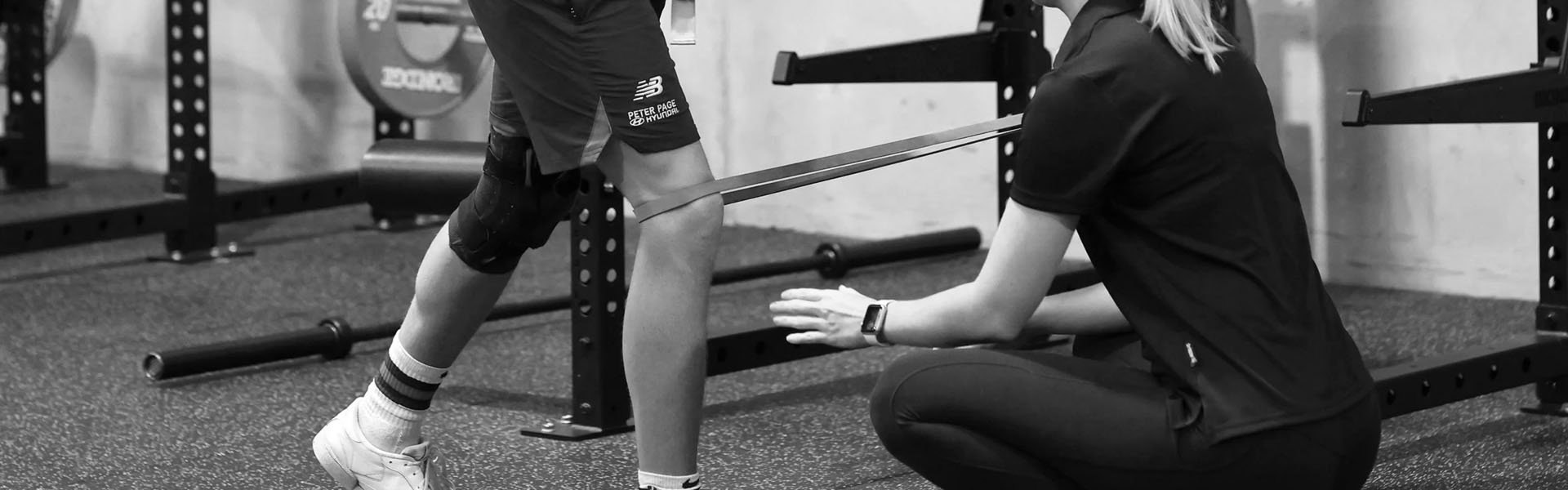
At iPerform, our expert physiotherapists focus on the Athletic Knee by addressing the complex relationship between force absorption, explosive power, strength, and rotational stability required for elite performance.
Does this sound like your injury?
The Loud Pop: An unmistakable sound or sensation during contact with your opposition, or a sudden pivot or landing, often followed by immediate swelling and a feeling of instability.
The Under Knee Cap Ache: A nagging pain behind or around the kneecap that worsens with stairs, lunges, or prolonged sitting.
The Deep Joint Click: A sharp catch or locking sensation deep inside the knee, often felt during twisting or deep squats.
The Inside Burn: Pain along the inner aspect of the knee, common after a sudden inward collapse or a heavy tackle.
The Jumper’s Grumble: Sharp pain right at the base of the kneecap that flares up during explosive jumping or landing.
The Outer Friction: A burning sensation on the outside of the knee that builds up over kilometres of running or cycling.
COMMON KNEE INJURIES WE TREAT AT IPERFORM
We treat knee injuries caused by both repetitive wear and traumatic impact. Our expert physiotherapists can assist with:
PCL (Posterior Cruciate Ligament) Injuries
Meniscal Tears and Irritation
Patellofemoral Pain Syndrome (PFPS)
Patellar Tendinopathy
MCL and LCL Ligament Sprains
ITB Friction Syndrome
Osgood-Schlatter’s and Sinding-Larsen-Johansson
Fat Pad Impingement
WHY CHOOSE IPERFORM FOR KNEE REHAB?
At iPerform we pride ourselves on delivering high quality physiotherapy and optimising recovery by engaging in:
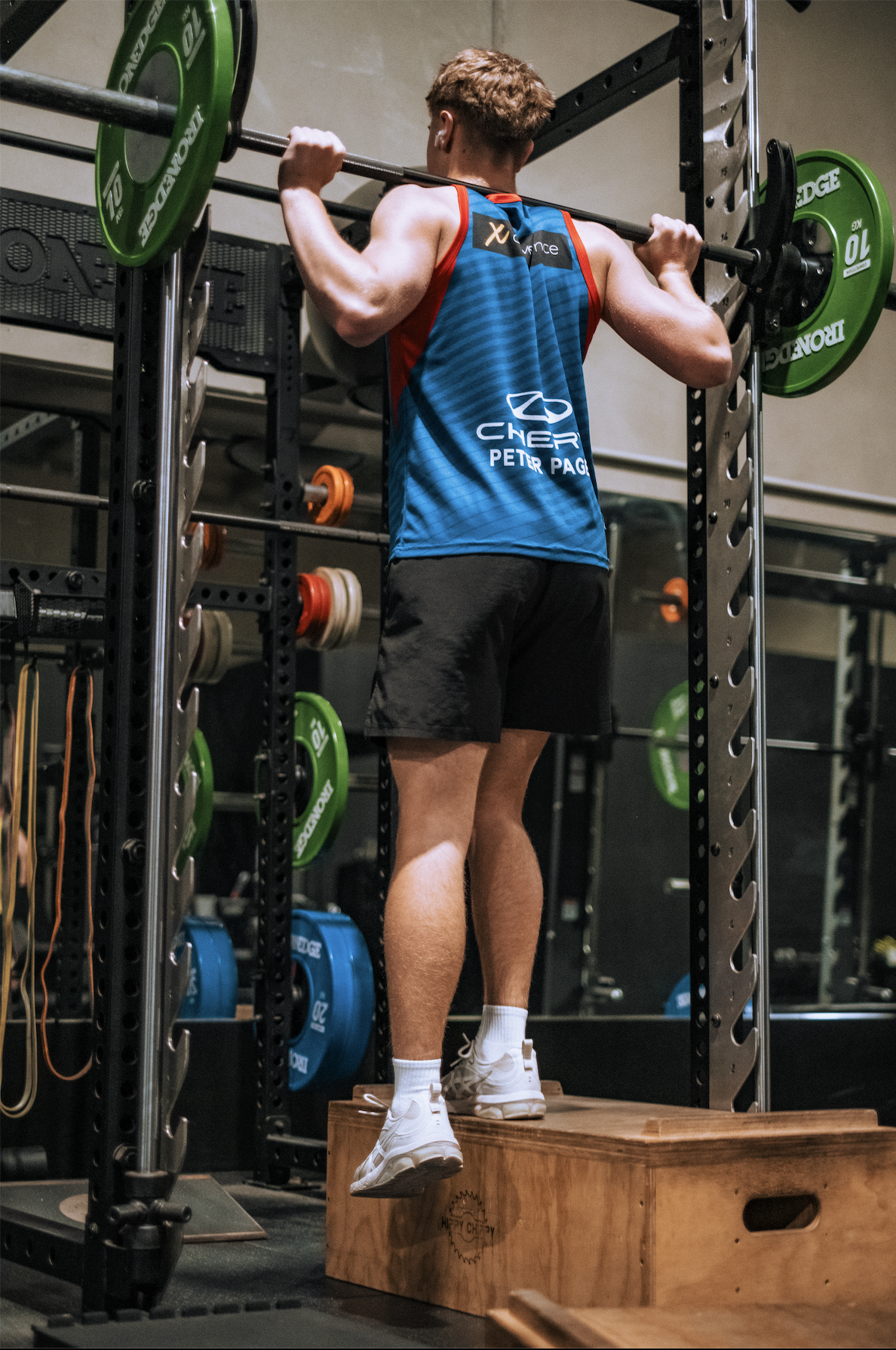
Athlete Focused Rehabilitation: We tailor your rehab to the specific positional and movement demands of your sport.
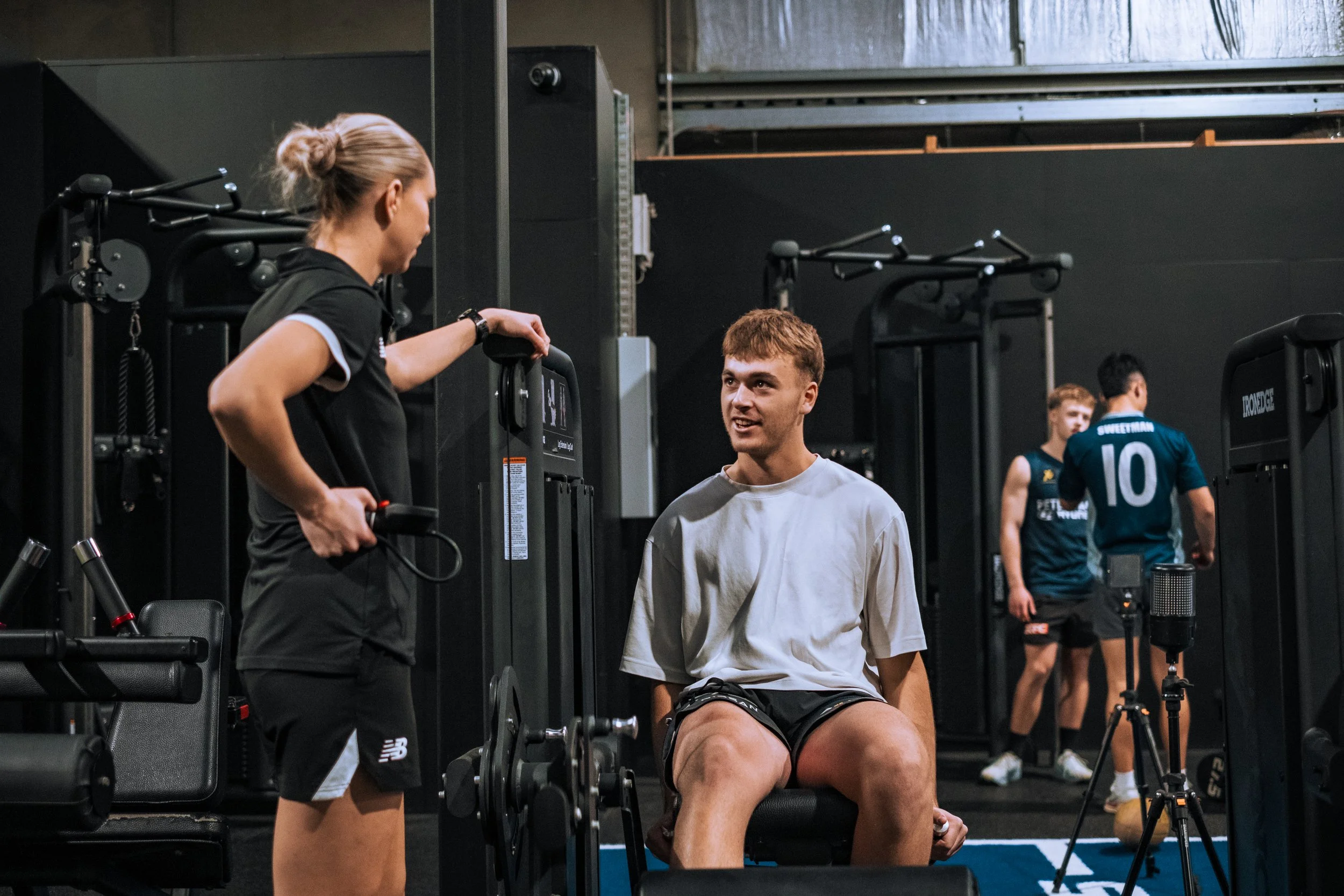
Integration of Physiotherapy and Strength & Conditioning: We bridge the gap between clinical treatment and elite strength and conditioning for a seamless return to play.
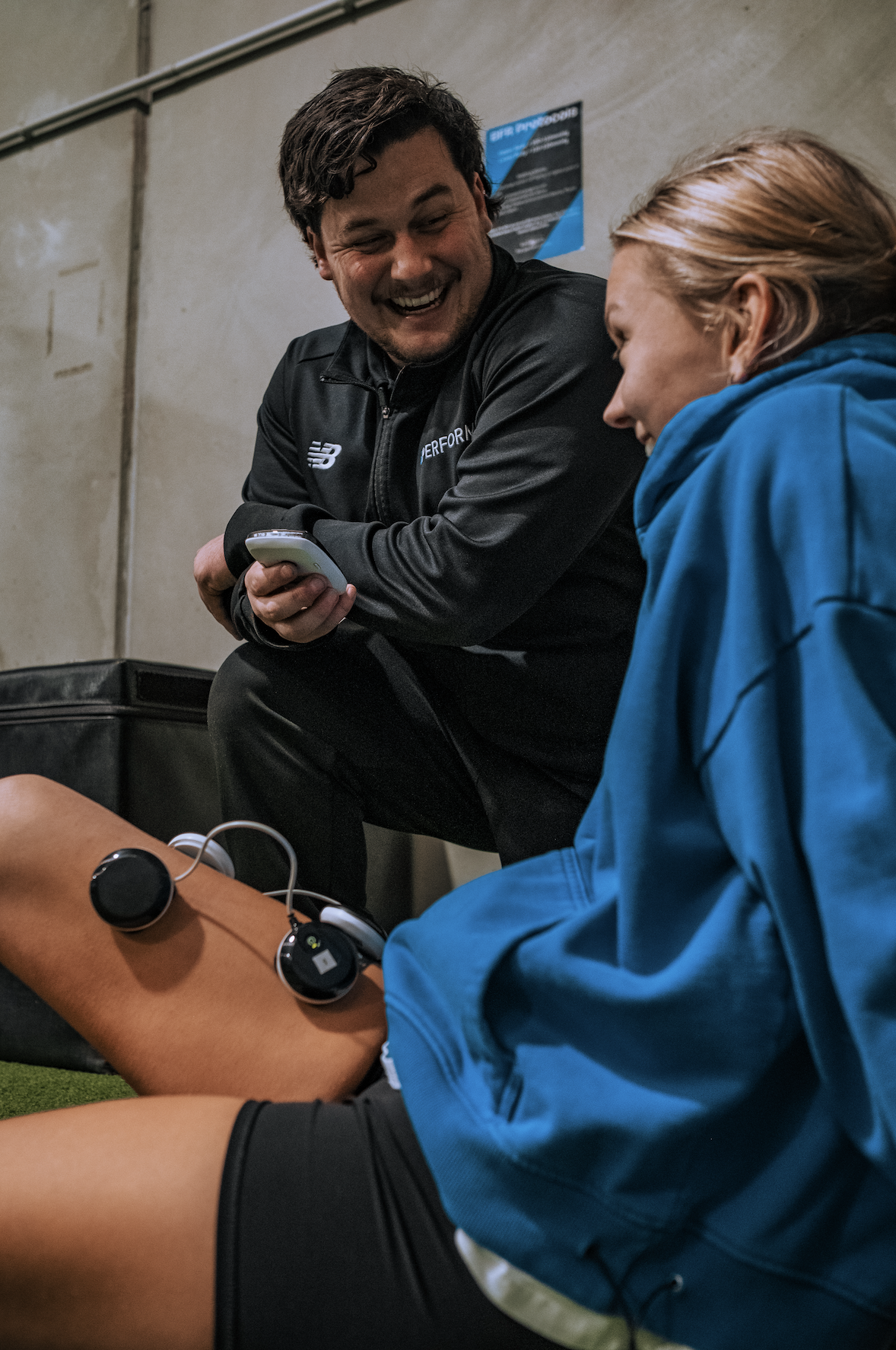
Evidence Based Progression: We use objective strength data to ensure you hit performance benchmarks before moving to the next phase.
Individualised Programming: Your program is custom built for your body, focusing on the explosive movements and agility required for your playing style.
Reducing Re-injury Risk: We rebuild your joint capacity and address mechanical breakdowns to ensure you are more resilient than before your injury.
No matter where you are in your recovery journey, we have a solution to meet your needs. Whether you're looking for expert physiotherapy to manage pain and restore function, or a structured Sports Rehab Program to prepare you for a safe and confident return to sport, our team is here to help.
Not sure where to start? Book your first physiotherapy session to discuss your options with us, call us on 8151 1347, or contact us here if you’d like to speak with our team first.
WHO IS THIS FOR?
Our Knee rehabilitation services are designed for:
Athletes wanting a safe, performance-focused return to sport
Active individuals wanting to regain full confidence and trust in their knee
Athletes wanting to reduce their risk of re-injury
We service clients from all over Adelaide’s northern area including Mawson Lakes, Salisbury, Golden Grove, Modbury, Elizabeth, Munno Para, Gawler, Barossa Valley, Virginia, Angle Vale, and Two Wells.
Ready to Get Started?
Starting the rehabilitation early can make a huge difference to your recovery and long-term outcome.
If you're on the fence, simply book your first physiotherapy session to discuss a game plan with us. Alternatively, call 8151 1347 or send us a message here.
FREQUENTLY ASKED QUESTIONS
-
This is often a sign of joint irritation or mild swelling. When the joint is still, fluid settles and creates pressure. Movement helps circulate the fluid and lubricate the joint, which is why the stiffness usually eases after a few minutes of walking.
-
Not always. We use a battery of clinical tests and objective strength data to determine if a scan is necessary.
-
Clicking, is very common and is usually harmless when there is no pain or swelling. It is often just gas bubbles popping or soft tissue moving over bony prominences. However, if clicking is associated with pain, swelling, locking or the knee giving way, it requires a professional assessment of the meniscus or ligaments.
-
In most cases, unless there has been a specific incident or significant injury, complete rest is rarely the best approach for knee recovery in athletes. At iPerform, we use evidence-based load management strategies to identify a safe level of running that allows you to stay active and maintain fitness without aggravating your symptoms.
This approach helps you avoid unnecessary deconditioning while we address the underlying cause of your knee pain