HIP AND GROIN INJURIES
HIP AND GROIN INJURY REHABILITATION AT
IPERFORM IN ADELAIDE’S NORTH
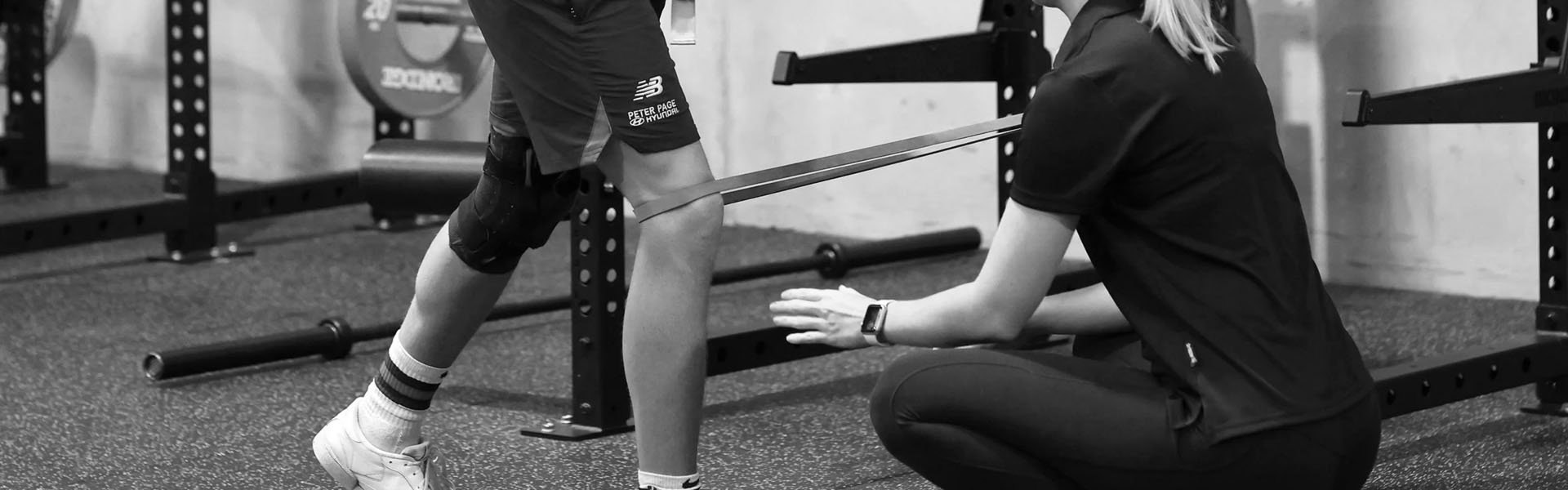
Hip and groin pain is notoriously difficult to self-diagnose because the anatomy is so interconnected. At iPerform, our experienced physiotherapists focus on the Athlete’s Hip which is a complex region where power, stability, and mobility must work in harmony together.
Does this sound like your injury?
The Deep Pinch: A sharp sensation deep in the joint during deep squats, sitting, or change of direction.
The Sudden Snap: An acute groin strain felt during an explosive sprint or cutting movement.
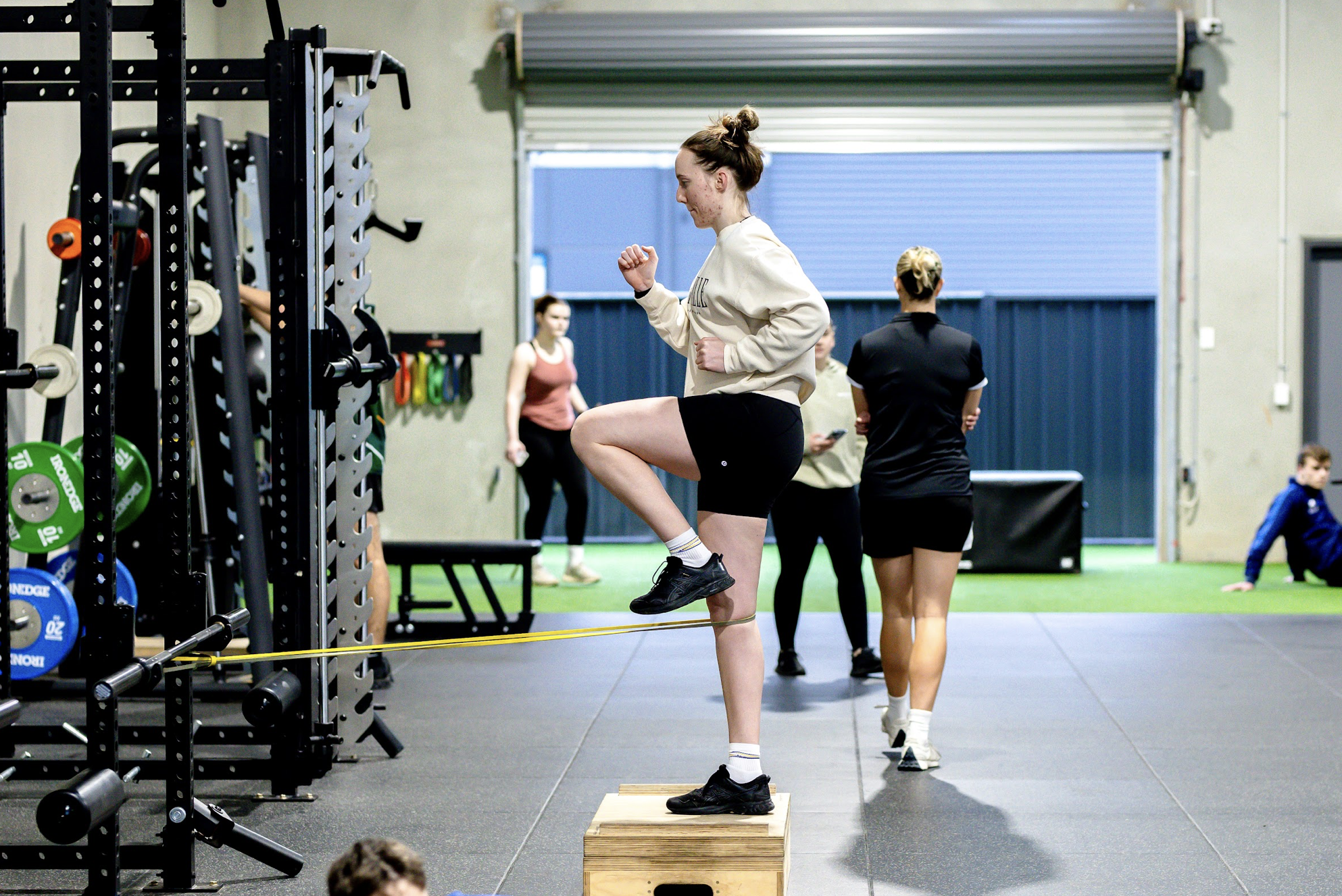
The Front Flare-up: Pain at the front of the hip during high-knee running, sprinting, or when you’re driving through a long kick.
The Outside Ache: Pain on the bony bit of your outer hip that flares up when lying on your side or climbing stairs.
At iPerform we don't just treat pain, we treat the root cause. Whether your pain is on the outside, the inside, or the front of the hip, our approach is designed to move you from the treatment table back to full-intensity training.
HIP AND GROIN INJURIES WE COMMONLY TREAT
Glute strain
Gluteal Tendinopathy
Greater Trochanteric Pain Syndrome (GTPS)
Adductor Strain
Hip impingement/FAI syndrome
Labral tears
Pubic related groin pain/osteitis pubis
Hip Flexor Strain
Hip apophysitis
WHY CHOOSE IPERFORM FOR HIP AND GROIN REHAB?
At iPerform our experienced physiotherapists work with you to reduce pain, build strength and improve your function by focussing on the following:
Equal Emphasis on All Zones: By treating the hip, pelvis, and core as one interconnected system, we aim for every link in your athletic chain to be strong, stable, and ready for match day.
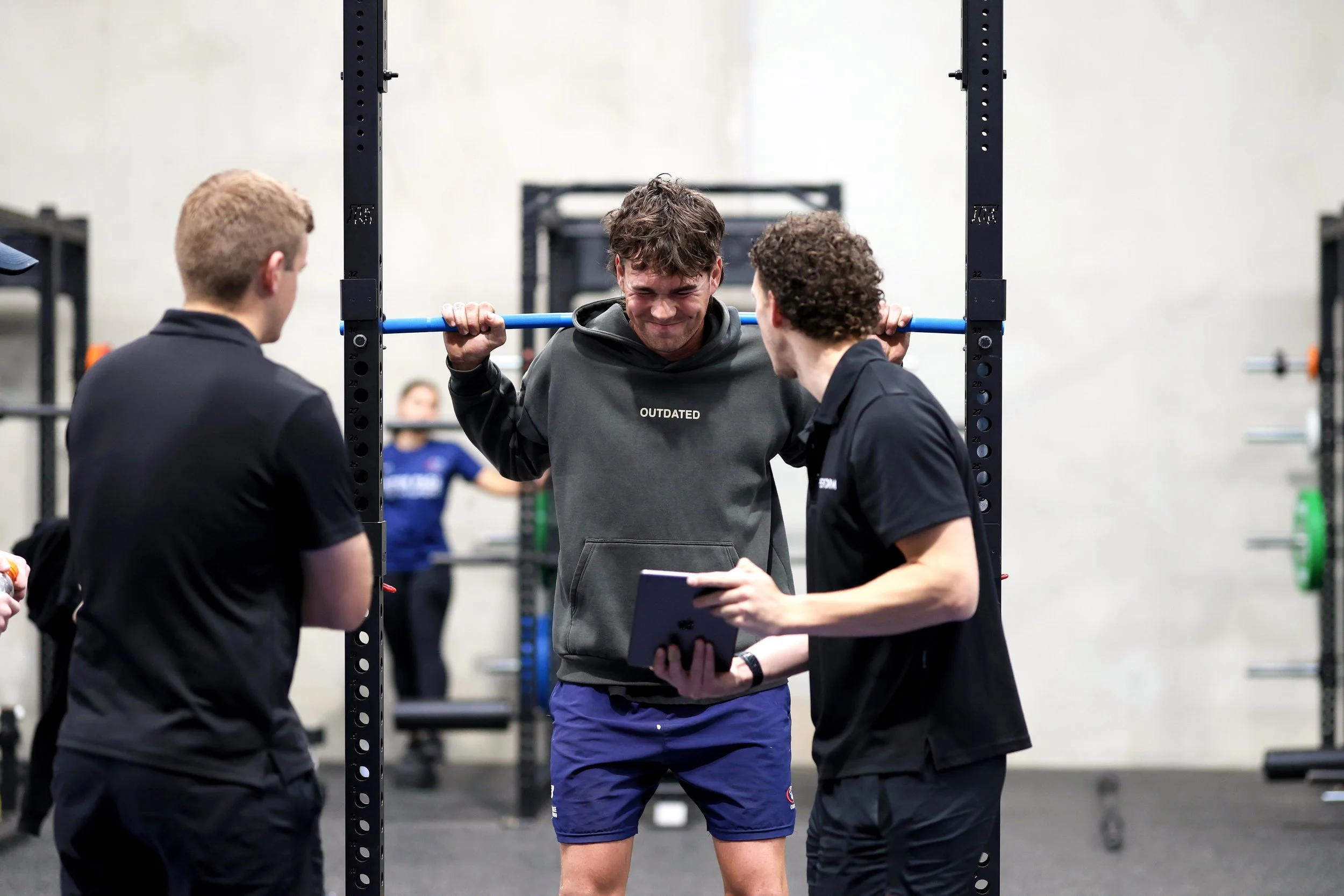
Objective Data: We don't guess if you're ready to return to play; we use objective testing to determine whether you are ready to return to play and give you confidence in your body’s ability to withstand the demands of your sport.
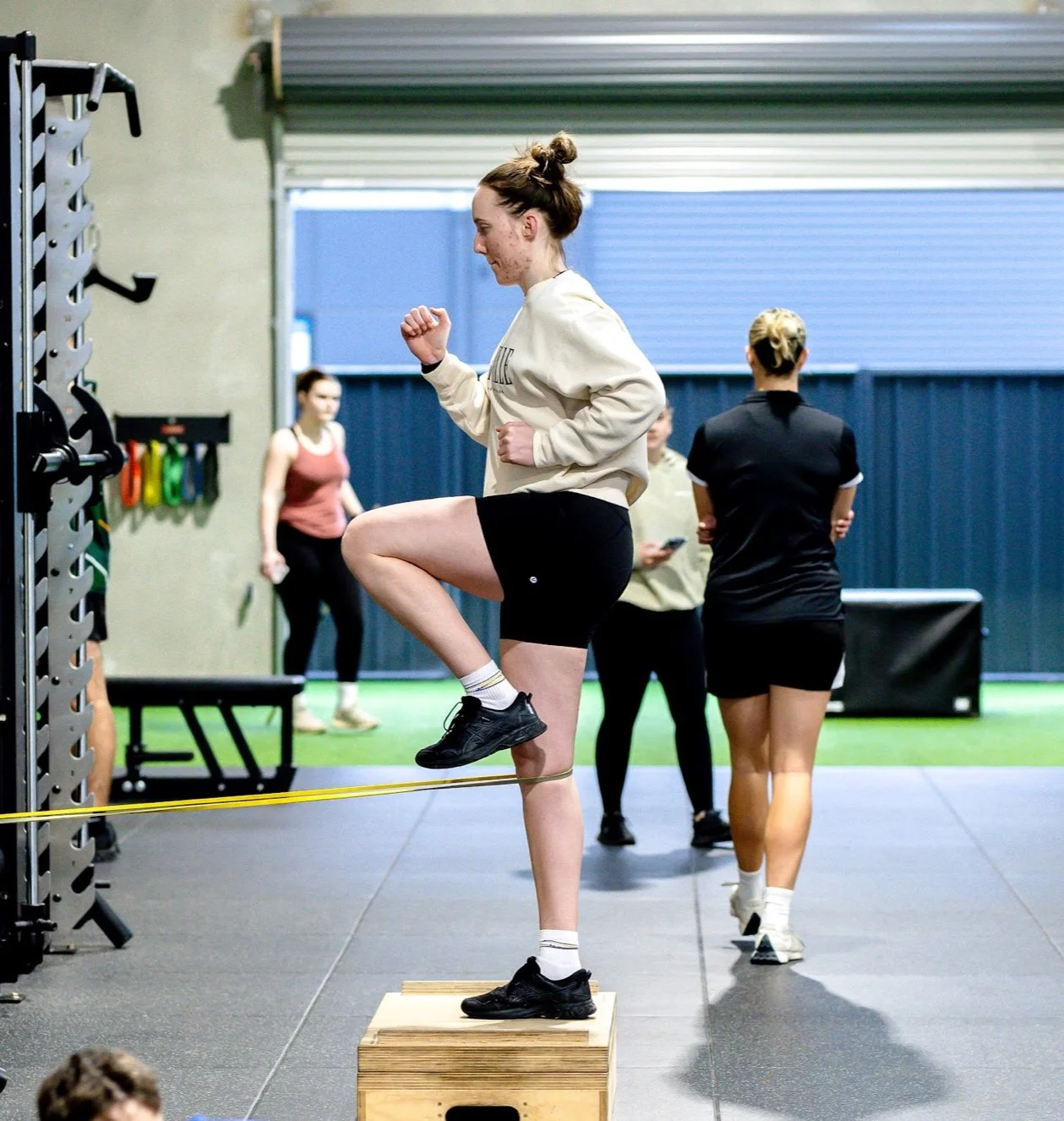
The Bridge to Performance: We’ve built a facility that bridges the gap between the treatment table and the playing field. With professional-grade strength equipment and ample space for dynamic movement, we ensure your rehab is as athletic as you are.
If you are frustrated by hip pain that won’t settle, it’s time for an expert assessment. Whether you need physiotherapy to overcome pain and restore function, or you're ready for the next step through our Sports Rehab Program, we provide a seamless pathway from injury through to confident return to sport.
Don't let uncertainty hold you back. If you aren't sure what you need, book a physio check-in, call 8151 1347, or drop us a message to get some clarity.
We service clients from all over Adelaide’s northern area including Mawson Lakes, Salisbury, Golden Grove, Modbury, Munno Para, Gawler, Barossa Valley, Virginia, Angle Vale, and Two Wells.
Ready to get started?
Time to kickstart your recovery? Simply book your first physiotherapy session to discuss your options, or give us a call on 8151 1347 to talk with our friendly team about your injury.
FREQUENTLY ASKED QUESTIONS
-
Because it may not be short and need to be lengthened - it may be weak. When a muscle can’t handle the load you're putting through it, it stays in a state of constant tension (tightness) to protect itself.
-
While the bursa can become irritated, in most active people the real driver of lateral hip pain is overload or irritation of the gluteal tendons (gluteus medius/minimus). The bursa often becomes inflamed secondary to tendon irritation, rather than being the main issue.
That’s why treatment usually needs more than rest or anti-inflammatories. Building glute strength, improving hip control, and managing training load is often the key to long-term relief.
-
Running loads the hip heavily with every stride. Pain can flare if the glutes aren’t absorbing force properly, if the hip flexors are overloaded, or if the joint is irritated. The cause often depends on where the pain is located (front, side, groin, or deep in the joint).
-
Muscle strains usually happen in a clear moment - like a sharp tweak during a sprint or kick. Joint issues, such as hip impingement or labral tears, feel more mechanical and progressively get more uncomfortable. These often present as a deep pinch during squats or sitting, sometimes with clicking or catching. Because symptoms often overlap, we use clinical testing and objective data to determine whether the issue is soft tissue or joint related, and we may ever recommend getting scans based on this testing.
-
Yes. Many athletes manage hip impingement successfully with targeted strength work, improved hip mechanics, load management, and sport-specific rehab. Surgery is not always required, especially if symptoms are caught early.
-
Recurring hip pain usually means the underlying issue hasn’t been addressed. Often strength deficits, poor load tolerance, reduced hip stability, or returning to sport too quickly can cause hip pain to return. Treating symptoms alone (massage/stretching) without rebuilding capacity often leads to flare-ups.