SHOULDER INJURIES
SHOULDER INJURY REHABILITATION AT
IPERFORM IN ADELAIDE’S NORTH
The shoulder is the most mobile joint in the human body, but that mobility means that finding stability can be more challenging. To perform at a high level, athletes require a fine-tuned balance between the freedom to move and the strength to stay stable. At iPerform, our physiotherapists are experts in the Athletic Shoulder, ensuring the rotator cuff, scapula, and thoracic spine work as a unified system to withstand the high-velocity demands of sport.
Does this sound like your injury?
The Overhead Pinch: A sharp or catching sensation when reaching overhead, putting on a jacket, or during a snatch or overhead press.
The High-Impact Hit: Intense pain or a visible deformity following a collision on the field, a heavy fall on the court, or a crash off a bike.
The Late-Inning Ache: A deep throb in the back of the shoulder that develops after repetitive throwing, swimming, or serving.
The Heavy Lift Flare-up: Pain at the front of the shoulder during bench press or dips that feels like the joint is unstable or irritated.
The Weak Link: A dull ache on the outside of the arm that makes it difficult to lift your arm sideways or sleep on your side.
Whether your injury resulted from a high-velocity collision or a overuse in the gym, our rehabilitation pathways are built to restore joint integrity and transition you safely back to high-contact, full-intensity sport.
COMMON SHOULDER INJURIES WE TREAT AT IPERFORM
At iPerform, we go beyond symptom management to address the structural and functional deficits caused by both repeat use over time and sudden accidental injuries such as:
Rotator Cuff Tears and Strains
Shoulder Impingement (Subacromial Pain)
Rotator Cuff Tendinopathy
Bicep Tendonitis
Labral Tears (SLAP Lesions, Bankart lesions, Hill-Sach’s lesions)
Shoulder Instability and Dislocations
AC Joint Sprains
SHOULDER REHAB AT IPERFORM
The vast majority of shoulder injuries can be successfully managed through high-quality physiotherapy without the need for surgical intervention. Our primary goal is to build a robust, resilient shoulder that exceeds its pre-injury capacity by focussing on:
Load Management: We identify the activities causing irritation and modify your training to keep you moving while the tissue heals.
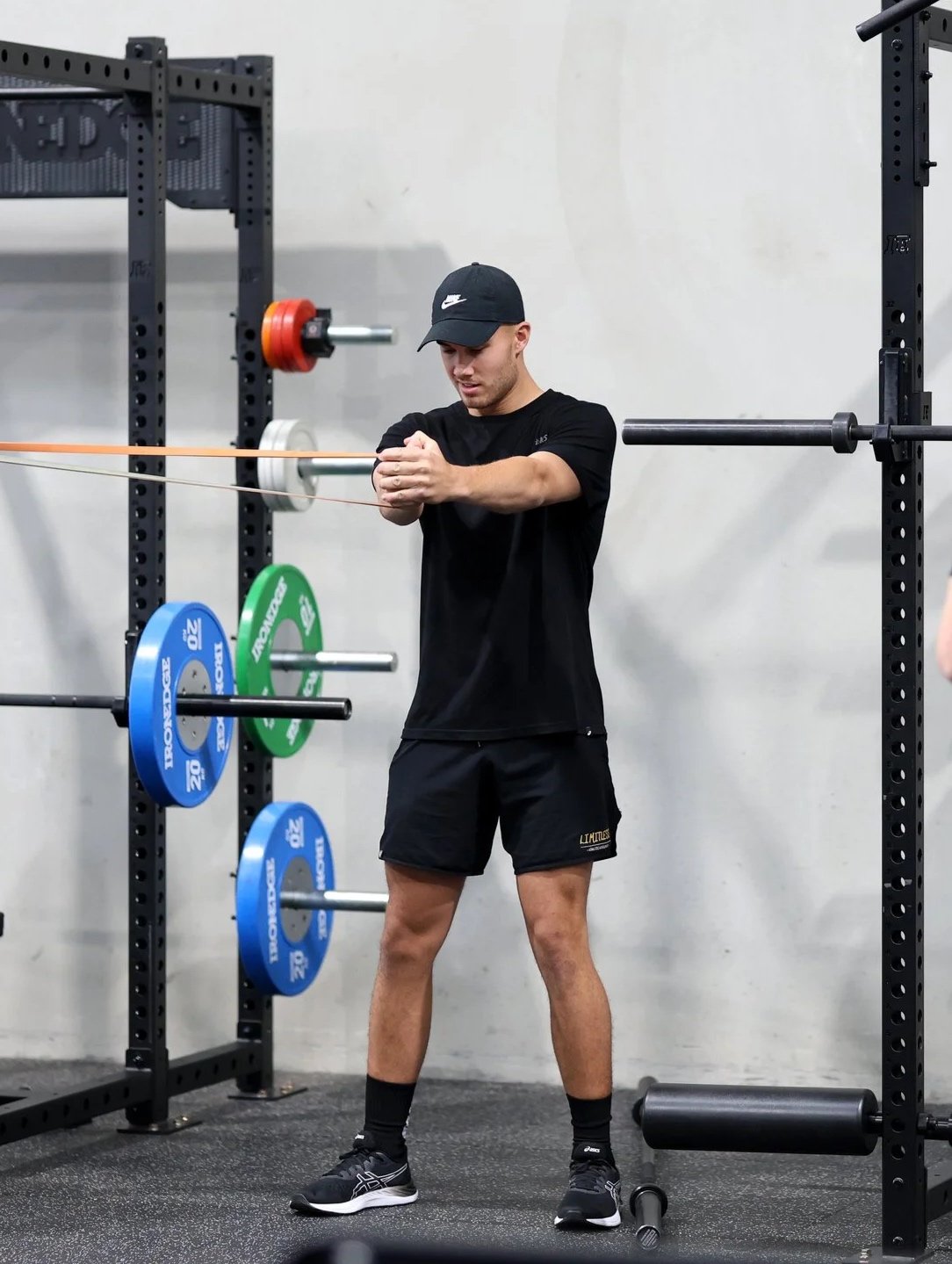
Dynamic Stability Training: Moving beyond light elastic bands, we use progressive loading and reactive drills to ensure the joint remains stable and secure under heavy force and unpredictable movement.
Full Body Integration: We focus on how the shoulder works in tandem with the upper back. If the thoracic spine and shoulder blade are not moving correctly, the shoulder joint is forced to overwork, often leading to irritation and pain.
Sport-Specific Drills: We bridge the gap between clinical exercises and match-day demands through plyometric and high-velocity movement training.
POST-OPERATIVE REHABILITATION AT IPERFORM
While many shoulder conditions respond exceptionally well to conservative care, certain high-grade tears or significant instabilities may require surgical intervention. In these cases, your rehabilitation after your operation is critical in achieving successful long-term outcomes.
If you have undergone a Rotator Cuff Repair, Shoulder Stabilisation, or AC Joint Reconstruction, we work closely with your surgical team to navigate your recovery.
At iPerform, we guide you through every phase of the post-op process:
Early Protection: Managing pain and protecting the surgical site while maintaining mobility in the rest of the arm.
Restoring Range: Carefully regaining movement using evidence-based protocols that respect the healing timelines of your surgeon.
Rebuilding Capacity: Transitioning from basic movements to heavy loading, ensuring the repaired tissue is strong enough to handle force.
Return to Impact: For our contact athletes, we expertly manage the final stage of rehab, preparing your shoulder to absorb hits and handle the rigours of competitive sport.
WHY CHOOSE IPERFORM FOR SHOULDER REHAB?
Our expert physiotherapists are here to guide you through your shoulder rehabilitation by focussing on:
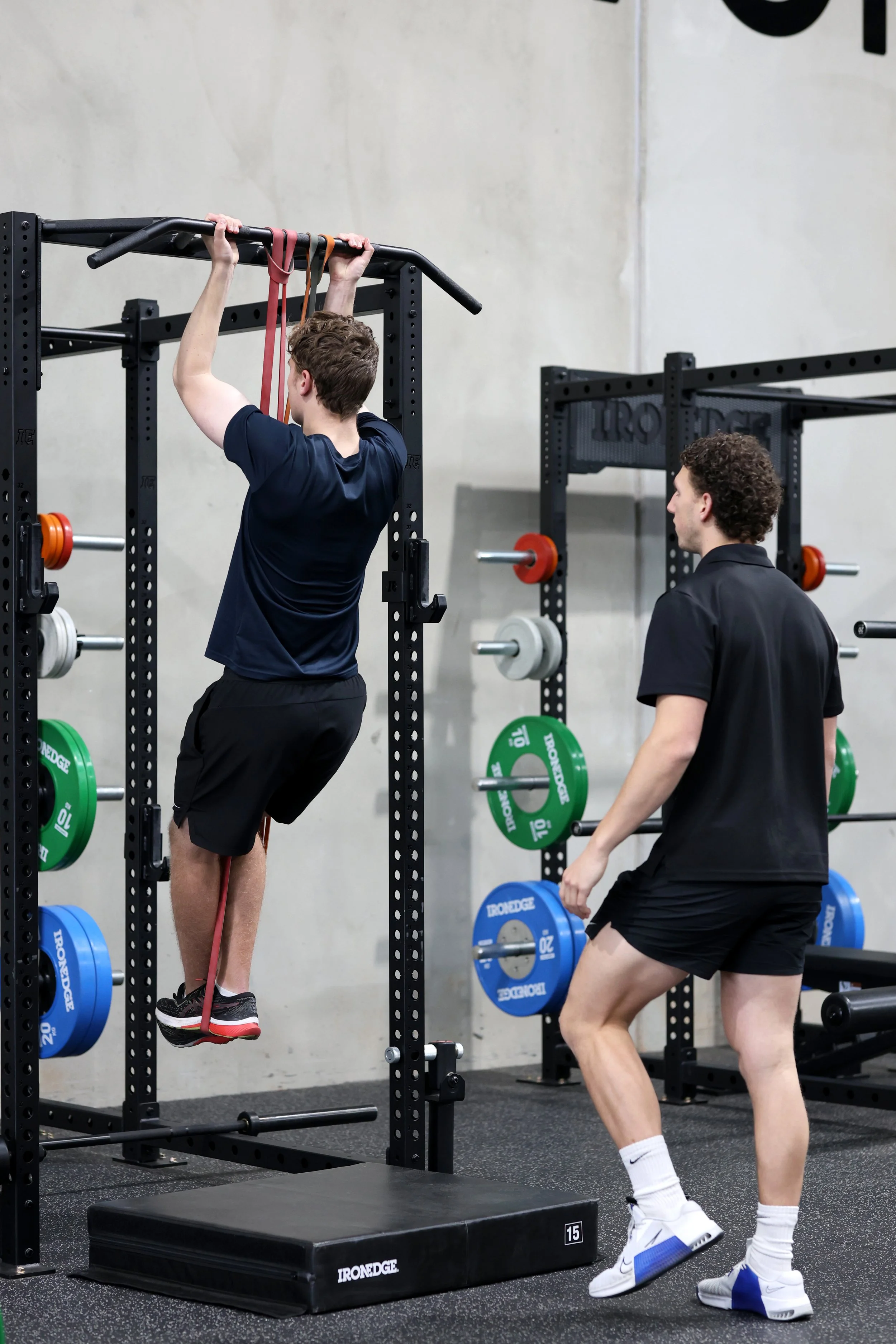
Integrated Movement Analysis: We do not look at the shoulder in isolation. We assess how your neck, mid-back, and core contribute to your shoulder function, ensuring your body moves as a coordinated unit.
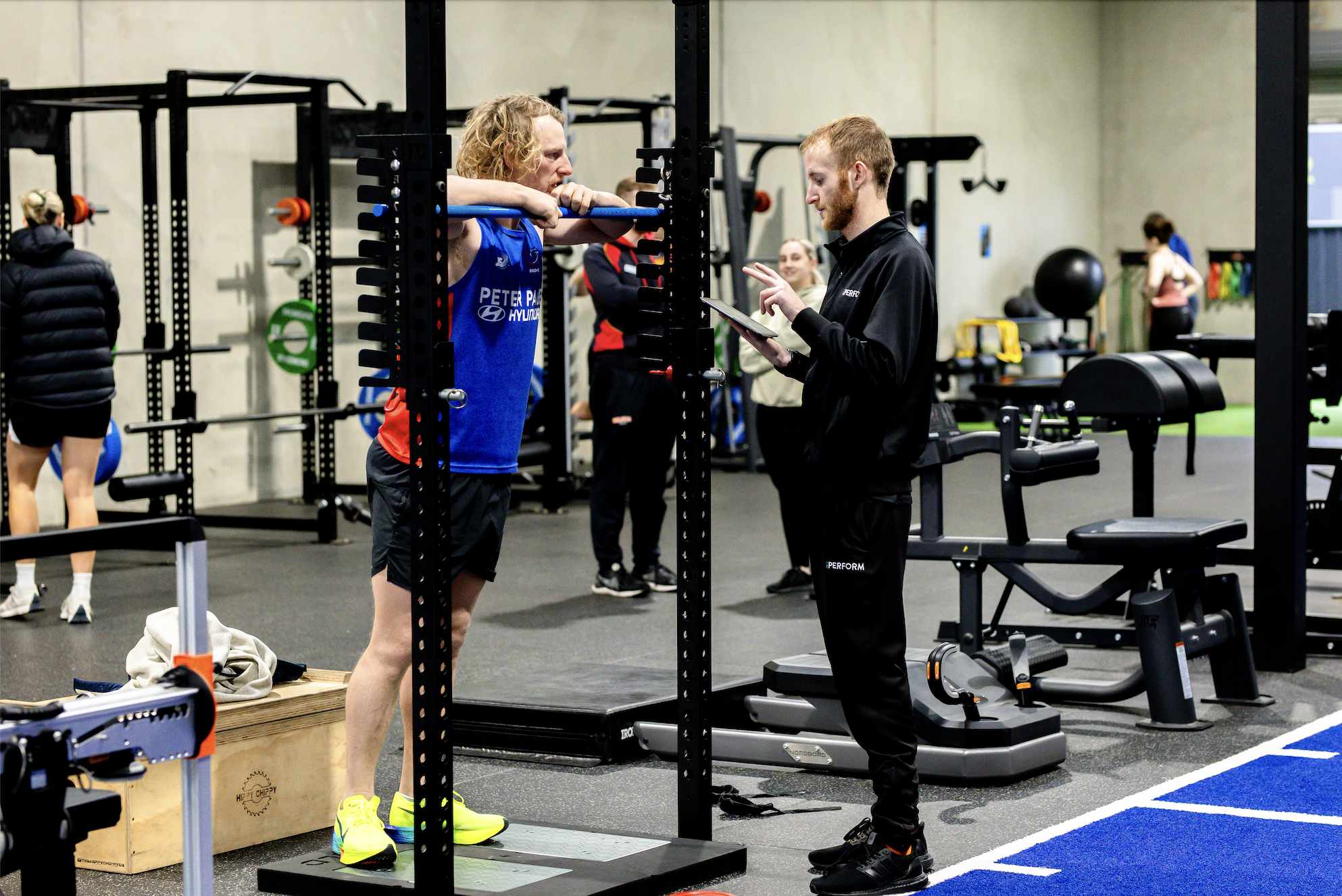
Objective Data: We do not guess if your shoulder is strong enough to return to sport. We use dynamometry and specific strength testing to measure your progress and give you confidence that your joint can handle high-speed movements.
The Bridge to Performance: Our facility allows us to move beyond simple resistance bands. We use professional-grade equipment to load the shoulder through its full range, ensuring your rehab matches the actual demands of your sport.
From everyday injuries to complex return-to-sport rehabilitation, we provide both Physiotherapy and a dedicated Sports Rehab Program. This allows you to access the level of support that best matches your injury, goals, and sporting demands. Not sure what kind of help you need? No stress. Book a your first physio session with us to discuss with one of our experienced physiotherapists, give us a call on 8151 1347, or message us here and we’ll figure out the best path forward together.
BOOK YOUR ASSESSMENT
If you are frustrated by shoulder pain that will not settle, it is time for an expert assessment. Whether you are dealing with a lingering ache, a recent acute injury from a high-impact collision, or you require a structured plan for post-operative recovery, we provide the elite-level care needed to get you back to the sport you love. Every body is different. If you're not sure which treatment fits your injury, book a physio assessment, call 8151 1347, or click here to ask a question.
We service athletes across Adelaide’s North, including Mawson Lakes, Salisbury, Golden Grove, Modbury, Munno Para, Gawler, Barossa Valley, Virginia, Angle Vale, and Two Wells.
FREQUENTLY ASKED QUESTIONS
-
Not always. While a dislocation can cause damage to the ligaments, labrum, or surrounding structures, many athletes return to sport successfully with a structured rehabilitation program focused on restoring strength, control, and dynamic stability. Whether surgery is recommended often depends on factors such as your age, sporting demands, history of repeat dislocations, and whether the shoulder continues to feel unstable during training or daily activities. In most cases, the decision is made in consultation with a sports doctor or orthopaedic surgeon, alongside objective clinical testing and your response to rehabilitation.
-
Both are injuries to the labrum (the cartilage rim of the shoulder socket), but they happen in different spots. A SLAP tear occurs at the top of the socket where the biceps tendon attaches, often from repetitive throwing or overhead loading. A Bankart lesion usually happens at the bottom-front of the socket during a dislocation. Both require specific loading protocols to ensure the joint remains secure during explosive movements.
-
The AC joint (Acromioclavicular joint) is the spot where your collarbone meets the highest point of your shoulder blade. Unlike the main ball-and-socket joint of the shoulder, which allows you to swing your arm in big circles, the AC joint is a smaller, firmer joint held together by thick ligaments. Its primary job is to act as a pivot point, allowing you to lift your arm above your head and move it across your body.
-
AC joint injuries are graded from 1 to 6 based on how much the ligaments are torn and if the collarbone has shifted. Grade 1 and 2 involve minor tearing and usually heal well with physiotherapy. Grade 3 involves a more significant lift of the collarbone and can often be managed without surgery, while higher grades usually require a surgical consult. An expert assessment is vital to determine the grade, whether you require surgery, and your specific timeline for returning to contact sport.