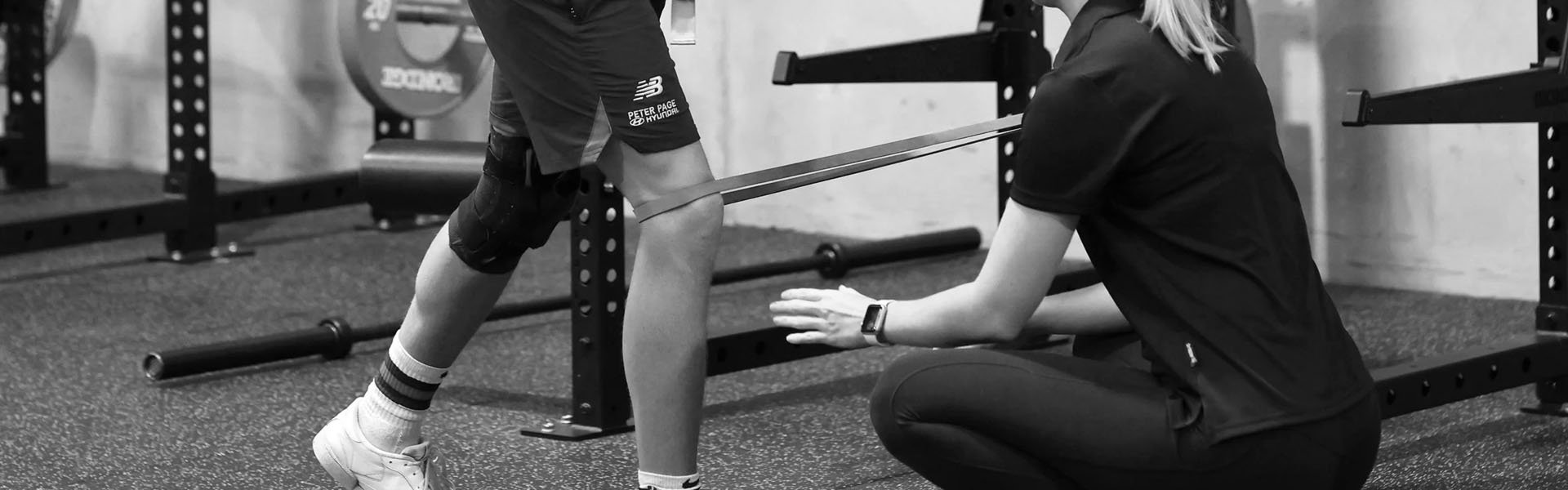
built into Our Athlete Performance ProgramPREPARE AND
RECOVER
WHAT YOUR BODY NEEDS, WHEN IT NEEDS IT
Performance isn't just about what you do in the gym or on game day.
How you prepare, fuel, hydrate, sleep and manage your workload can all influence how ready you feel to train and compete. Just as importantly, how you recover between sessions can help you manage the physical demands of training, competition and everyday life.
At iPerform, we bring together physiotherapy, strength & conditioning and practical recovery strategies in Adelaide’s northern suburbs. We help junior, amateur and high-performance athletes make informed decisions about what their body needs before or after training, on game day or throughout the rehabilitation process.
From nutrition, hydration, sleep and load management to our sauna, ice bath and Normatec boots, we focus on the fundamentals first and use additional tools where they suit you. Our recovery equipment is available to members of our Athlete Performance Program, where it sits alongside your training
PREPARE WITH PURPOSE
Get your body ready for the work ahead
Your hydration, nutrition, sleep, stress levels and previous training load all form part of your preparation to perform on game day.
Our team can help you understand the factors that contribute to your readiness and develop practical strategies that fit around your training and sporting schedule.
RECOVER WITH INTENTION
Manage the demands of training & competition
Recovery is different for every athlete. For one, it might mean rehydrating and refuelling after a game. For another, it might involve managing muscle soreness between sessions.
We use a combination of active recovery, education, physiotherapy and selected recovery modalities according to the individual and the situation.
Included with Our Athlete Performance Program Membership:
Our sauna, ice bath and Normatec boots are part of the Athlete Performance Program. Members get access to recovery equipment alongside coached training, with guidance from our physiotherapy and strength & conditioning team on what to use and when.
SAUNA
Training your response to heat and supporting recovery
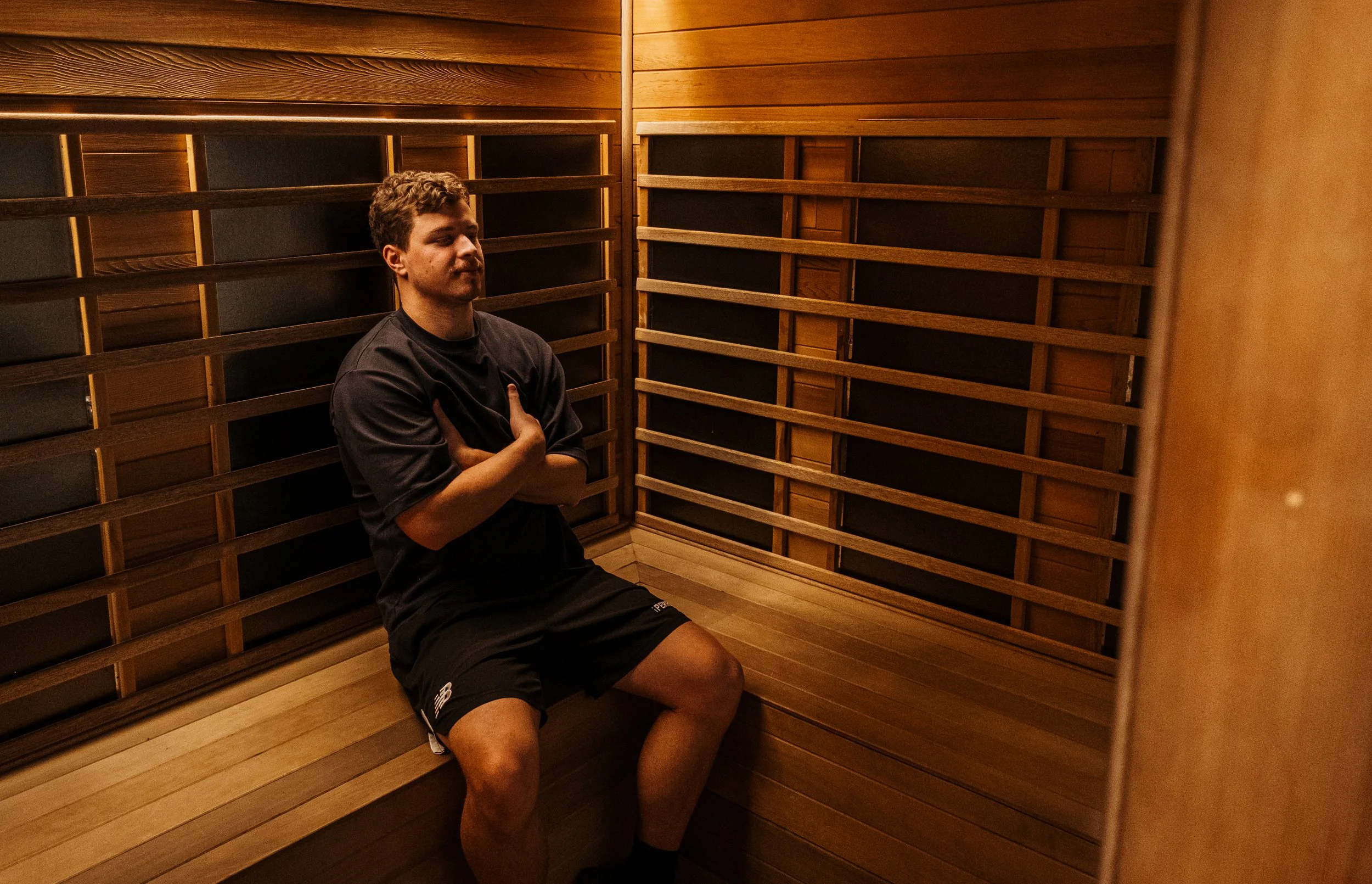
Sauna-based heat exposure may be used to provide a controlled heat stimulus, with repeated exposure capable of producing physiological adaptations associated with heat acclimation and cardiovascular regulation. Used post-training, heat exposure can also support relaxation and form part of a broader recovery routine alongside hydration and rest.
At iPerform, heat exposure is considered in the context of your training, competition schedule, environment and individual circumstances.
Our approach may include:
Structured heat exposure for preparation and recovery
Consideration of heat-acclimation demands in your training program
Monitoring your response to heat
Integrating heat exposure around training, competition and recovery days
Education around hydration and fluid replacement
Heat exposure isn't appropriate for everyone. Our team can help determine whether it is suitable for you and how it should fit into your overall training or recovery plan.
Sauna sessions are available to Athlete Performance Program members.
ICE BATH
A tool for recovery
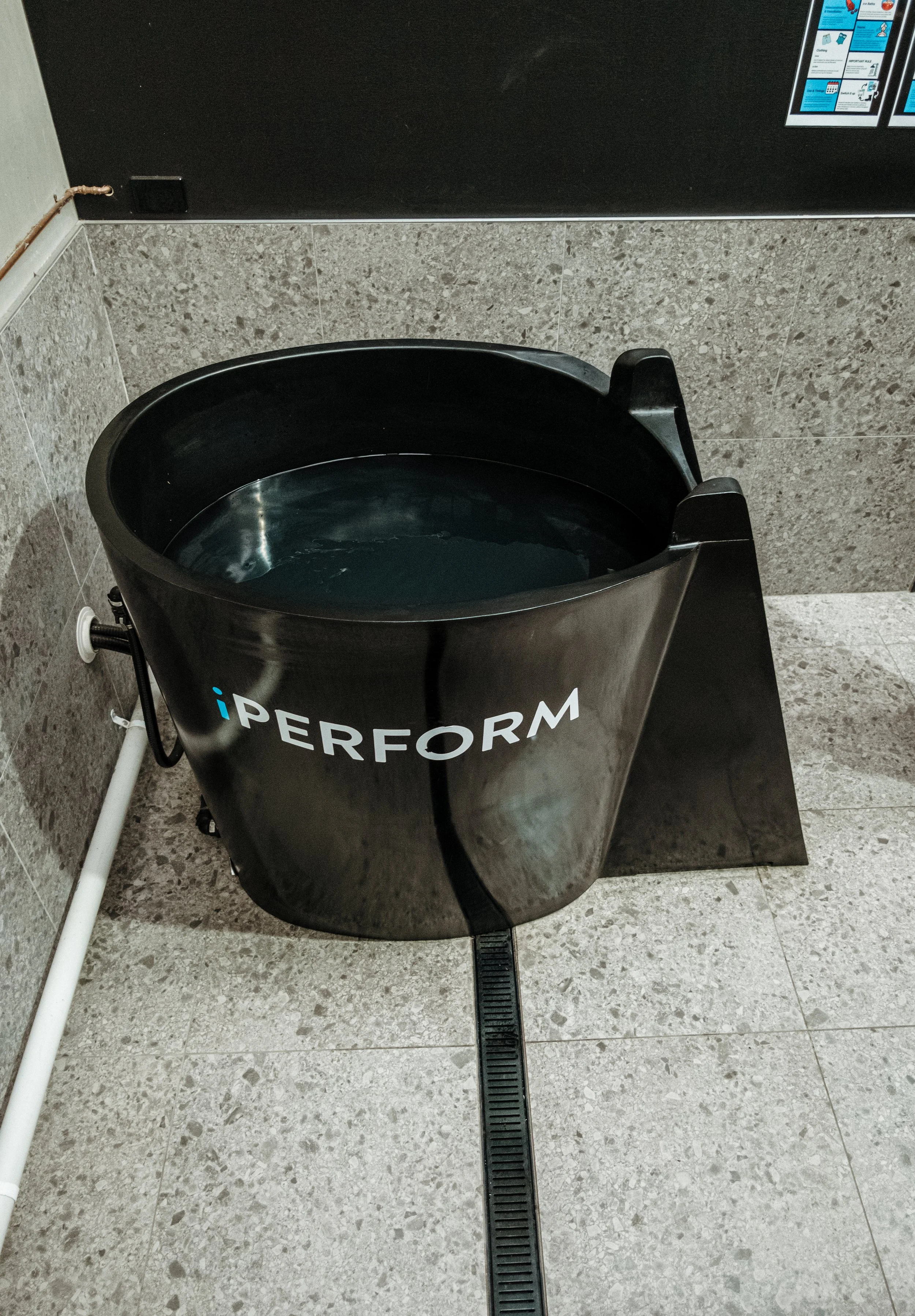
Cold-water immersion is best considered for managing muscle soreness after a game or competition, rather than as a routine addition following every gym or training session. It can be particularly useful in-season, when back-to-back games and limited turnaround time make managing soreness a priority.
We can help athletes understand when cold exposure may be useful and consider the timing of cold exposure alongside your competition demands and individual goals.
Ice bath access is included for Athlete Performance Program members.
NORMATEC BOOTS
Recovery and a chance to switch off
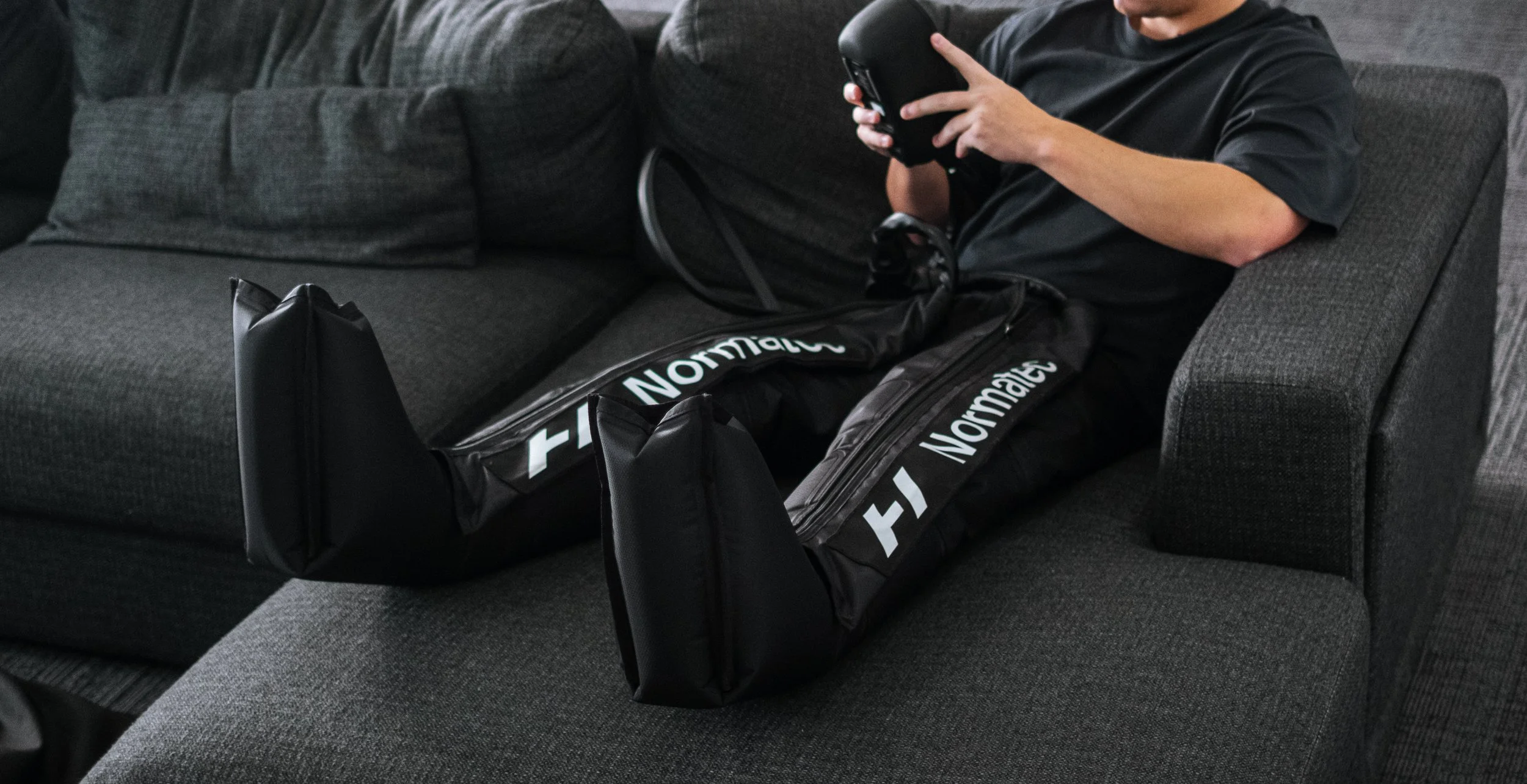
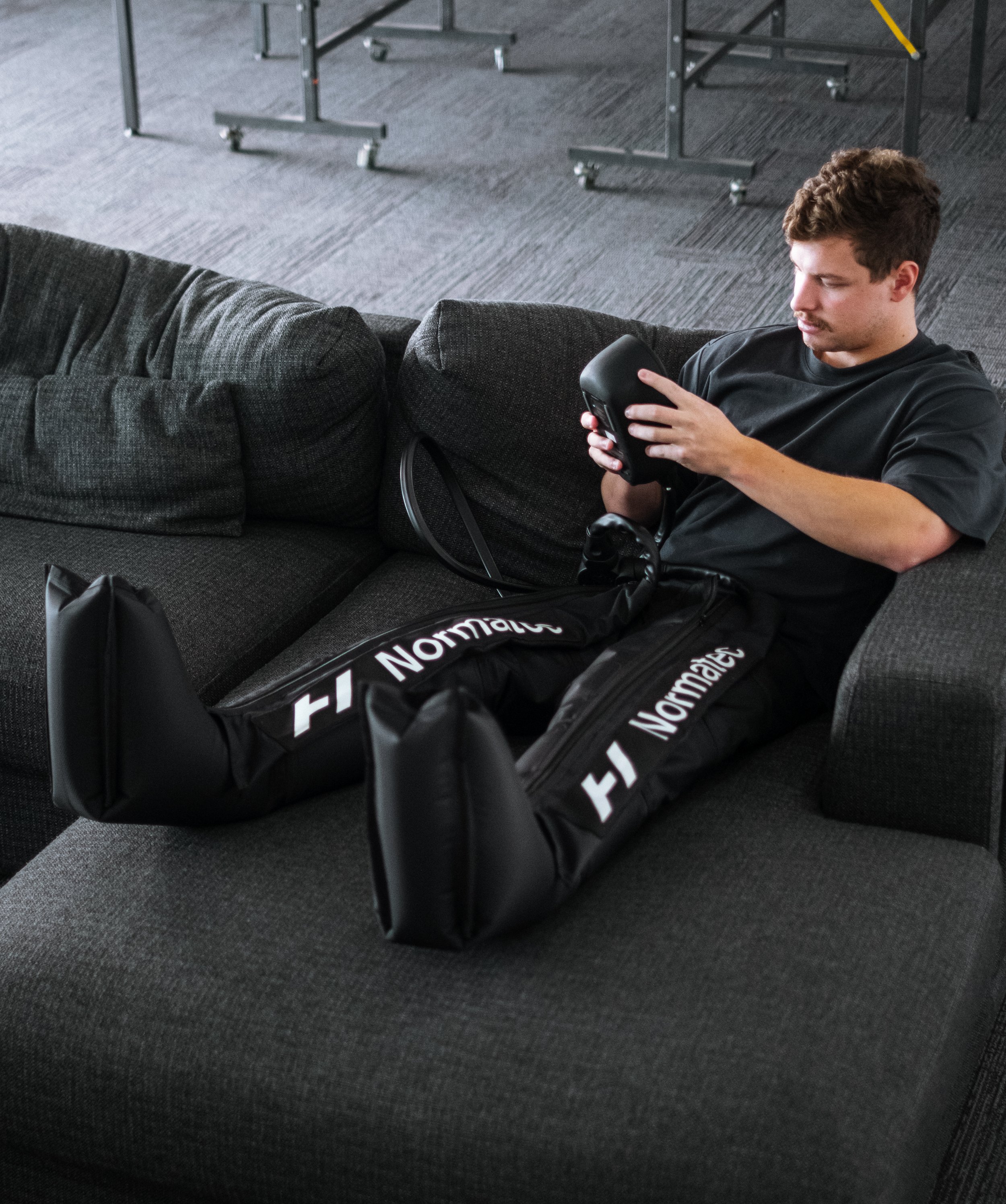
Normatec compression boots provide sequential pneumatic compression to the lower limbs, applying rhythmic pressure that moves from the feet upward.
Beyond the physical sensation, many athletes use their Normatec session as a genuine chance to slow down, lay back, breathe, and switch off from the demands of training and competition. That downtime matters: managing stress and giving your nervous system a break is just as much a part of recovery as anything physical.
They can be incorporated into a recovery session following training or competition.
Compression therapy is often used to:
Support circulation and venous return in the lower limbs following high training loads or competition
Provide a passive, relaxing recovery option that gives athletes dedicated downtime away from training and competition demands
Fit into a structured recovery routine around training blocks or congested competition schedules
At iPerform, Normatec boots are used as one component of a broader recovery strategy alongside movement, hydration, nutrition, sleep and appropriate training management.
Normatec sessions are available to Athlete Performance Program members as part of their recovery plan.
SUPPLEMENTS
Supplements to support your training
Supplements can have a place in an athlete's overall nutrition strategy, but they're intended to complement good nutrition, hydration, sleep and training, not to replace them.
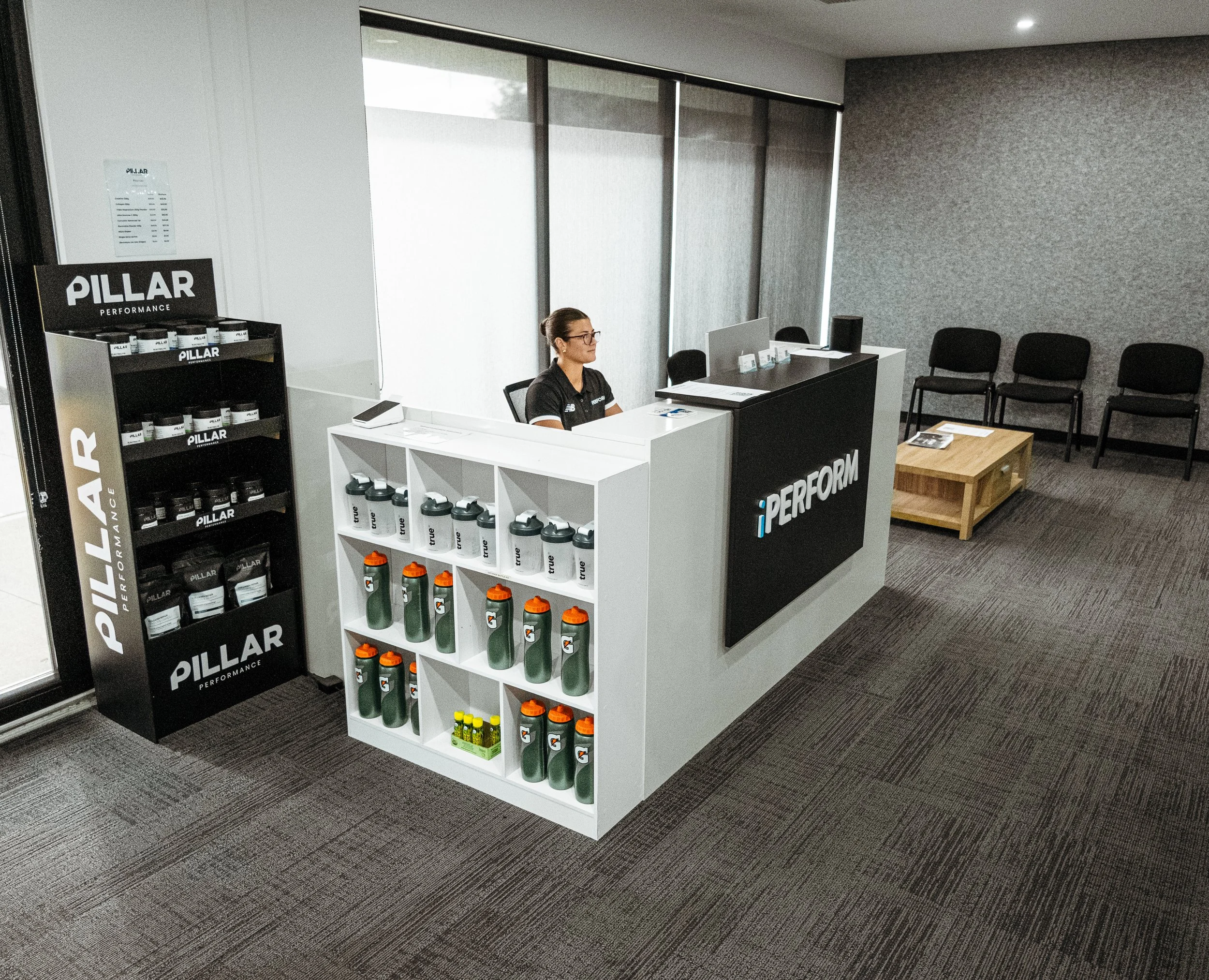
At iPerform, we stock PILLAR Performance products, including options such as protein powder, collagen, magnesium, vitamin C, curcumin, omegas, electrolytes and energy gels, for athletes who are already using or considering supplements as part of their training and competition routine.
Supplement use is individual, and appropriateness depends on factors such as current diet, training and competition demands, and specific goals or dietary requirements. We encourage athletes to seek guidance from an appropriately qualified sports dietitian before starting or changing their supplement use.
Reminder that supplements are an add on, the foundations of good nutrition, hydration and sleep come first.
Where you require individualised sports nutrition advice, particularly for specific dietary requirements or performance goals, we can recommend working with an appropriately qualified sports dietitian.
RE3 ICE PACKS
Supporting recovery from acute injury
Cold therapy can be useful in the early management of some acute injuries, such as sprains and strains, often alongside rest, protection and gradual return to movement. It's thought to help manage discomfort and swelling in the initial stages, making early movement more comfortable.
One of the biggest advantages of our RE3 ice packs is being able to apply cold therapy the moment it's needed — straight after your rehab session, while you're still in the clinic. This immediate access matters most in the early stages of rehab, when managing swelling and discomfort promptly can make a real difference to how comfortable you feel and how consistently you can keep moving.
Cold therapy is one tool among several rather than a treatment in isolation, and its role can vary depending on the injury, stage of healing and individual.
Our RE3 ice packs provide a practical, reusable option for applying cold therapy when it is clinically appropriate. Your physiotherapist can advise you on whether it is appropriate for your presentation and how it should be incorporated into your broader management plan.
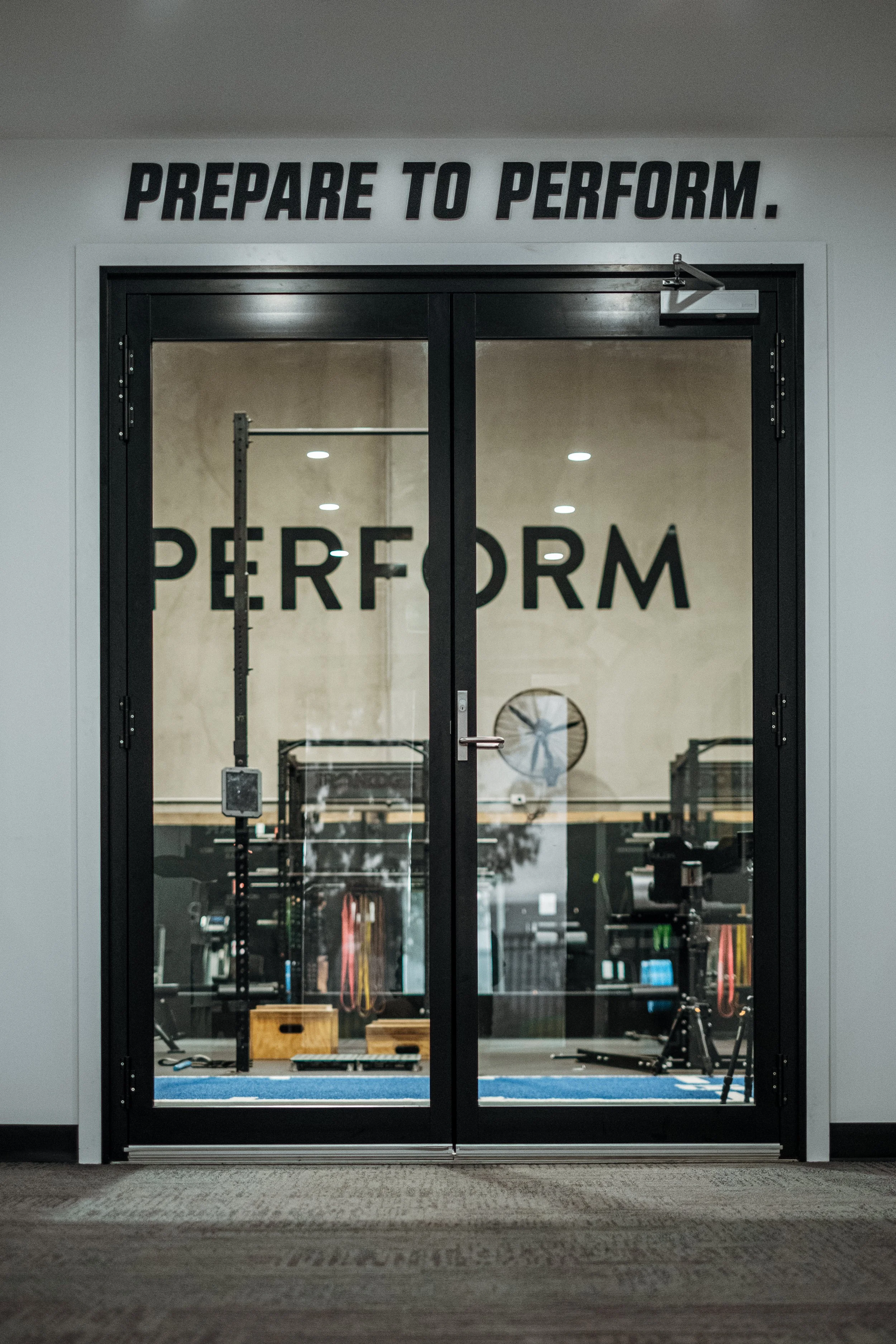
Every athlete’s preparation and recovery needs are different. If you’d like to use our recovery equipment, the best starting point is a chat with our team about your training, competition schedule and goals, and whether the Athlete Performance Program is the right fit. Contact us on 08 8151 1347 or send us a message here.
Everything we offer has its place. But the basics come first.
NUTRITION
Fuel your performance. Support your recovery.
Training places demands on your body, and how you fuel yourself plays a major role in how well you can meet those demands, adapt to training and recover between sessions.
Good nutrition can influence energy levels, training capacity, recovery and general wellbeing. From meal timing and carbohydrate availability through to protein intake and recovery nutrition after training or competition.
Nutrition needs are individual, and we always encourage athletes to seek guidance from an appropriately qualified sports dietitian or nutrition professional for advice specific to their circumstances, goals or dietary requirements.
At iPerform, we consider nutrition as one part of the bigger picture alongside training load, sleep and recovery, whether you're a junior athlete building good habits or a high-performance competitor refining your approach.
HYDRATION
Hydration matters more than you think
Hydration is a simple but fundamental part of preparation that can easily be overlooked, yet even mild dehydration can affect concentration, decision-making and physical performance.
Fluid requirements vary according to the individual, training load, environmental conditions, and the duration and intensity of exercise. Factors such as sweat rate, climate, clothing and pre-training hydration status all play a role in how much fluid an athlete needs before, during and after activity.
Practical hydration habits such as drinking consistently throughout the day rather than only around training, and adjusting intake for heat or longer sessions can support how an athlete feels and performs.
Recovery hydration is also just as important as pre-training hydration, particularly after heavy sweat losses, where electrolyte replacement alongside fluids can be a useful consideration.
SLEEP
Recovery starts when you switch off
Sleep is one of the most important foundations of training and recovery, yet it's often the first thing sacrificed when life gets busy.
During sleep, the body carries out much of its physical repair and adaptation to training, alongside cognitive recovery that supports concentration, reaction time and decision-making, all relevant to both training and competition performance.
Rather than treating sleep as an afterthought, we encourage athletes to consider it alongside their training, nutrition and workload. Factors such as training and study schedules, travel, screen use and pre-bed routines can all influence sleep quality and duration.
Sometimes the most valuable recovery strategy isn't another recovery session, it's consistently getting enough quality sleep.
STRESS & TRAINING LOAD
Your body doesn't separate training from life
Training is only one part of the total load placed on your body.
Work, study, travel, competition, relationships, sleep and other life demands can all contribute to how you feel and perform. This combined load can influence how well the body tolerates and adapts to training.
When life stress is high, the same training session can feel harder, recovery can take longer, and the risk of injury or burnout may increase. Recognising this bigger picture allows our physiotherapy and strength & conditioning team to make more informed decisions about training volume, intensity and recovery.
We may consider:
Current training load
Competition schedule
Sleep and fatigue
Perceived stress
Work or study demands
Previous injury
How you are responding to training
GET THE FUNDAMENTALS RIGHT
Recovery equipment can be helpful and when it's used well, it can genuinely add value to how you train, compete and recover.
But equipment works best when it's built on solid foundations. Sleep, nutrition, hydration, training load and stress all shape how your body responds to any recovery modality you use. Getting these right is what allows options like sauna, cold-water immersion, and compression to have a meaningful role in your routine.
That's exactly where our team comes in. We help you understand which modalities are worth prioritising, when to use them, and how to fit them around your training and competition, or rehabilitation.
Whether that's a sauna recovery session, compression after a heavy training block, cold therapy following an acute injury, or supplements to support your nutrition, our role is to help you get more out of what we offer as part of the Athlete Performance Program, built on the right foundations.
TRUSTED BY ATHLETES ACROSS ADELAIDE’S NORTH
From local club players to elite competitors, we provide South Australian athletes with a structured, evidence-informed approach to preparation and recovery.
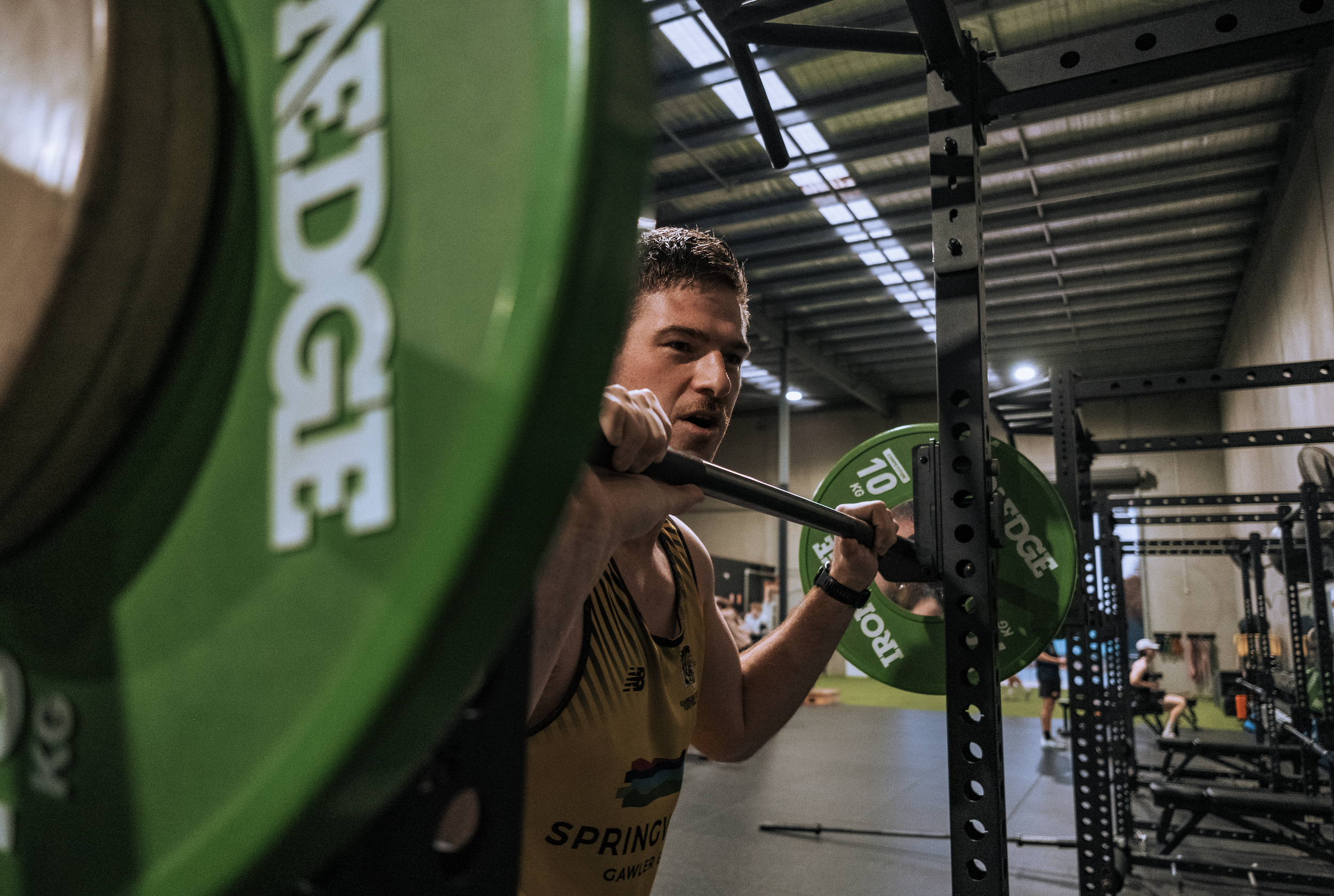
Our Athlete Performance Program combines coached training with preparation and recovery strategies, including heat exposure, cold therapy, compression and nutrition education, for a wide range of sports and physical disciplines, including:
Aussie Rules Football (AFL)
Netball
Basketball
Tennis
Soccer
Cricket
Golf
Swimming
Weightlifting/Gym-Based Training
Cycling
Running
Athletics
Hockey
Softball
Gymnastics
Calisthenics and Dance
Whether you're preparing for a competition, managing recovery across a heavy training block, or bouncing back from an acute injury, our team helps you understand which strategies are right for you and how to fit them around your training and competition schedule.
We service clients from across Adelaide's northern suburbs and surrounding regions, including Edinburgh, Mawson Lakes, Salisbury, Golden Grove, Modbury, Elizabeth, Munno Para, Gawler, the Barossa Valley, Virginia, Angle Vale, and Two Wells.
FREQUENTLY ASKED QUESTIONS
-
Our recovery equipment is available to Athlete Performance Program members, because we use it as part of a structured plan rather than as a standalone service. If you’d like to know whether the program suits you, contact us and we’ll talk through your goals.
-
Research suggests that regular cold immersion soon after strength training may reduce some of the adaptations you are training for. If building strength or muscle is your priority, your coach can help you place cold exposure away from key gym sessions, or save it for periods when managing soreness matters more than maximising adaptation.
-
No. Recovery tools support your routine, but they cannot replace rest days, quality sleep or proper fuelling. Think of them as an addition to a plan that already has strong foundations.
-
Common signs of good recovery include consistent energy, stable mood, good sleep, steady training performance and soreness that settles within a day or two. Signs that you may need more recovery include ongoing heavy fatigue, declining performance, disrupted sleep, irritability, or niggles that keep returning. If several of these appear together, speak with your physio or coach about adjusting your load.
-
Athletes subject to anti-doping rules are responsible for everything they take. Before using any supplement, check it with Sport Integrity Australia or its resources, and consider products that are independently batch-tested. You can ask the team about the testing status of any product you are considering, however ultimately you must ensure that you are confirming whether it is suitable for you to take.
-
Yes. Junior athletes can join the Athlete Performance Program, with training matched to their age, size and experience. Junior member can receive guidance on hydration, nutrition habits, sleep routines and load management. If junior athletes need more specific support in these areas we can help direct you to the appropriate services.
With recovery strategies such as sauna and cold immersion, need extra consideration based on age, size and experience. Contact us with your child’s age and sport, and we will advise on which options are appropriate.
-
It depends on the injury and its stage. Some tools may help with comfort and routine during rehab, while others may be best avoided early on. If you’re a member, check with your physiotherapist before using sauna, cold immersion or compression with a current injury.